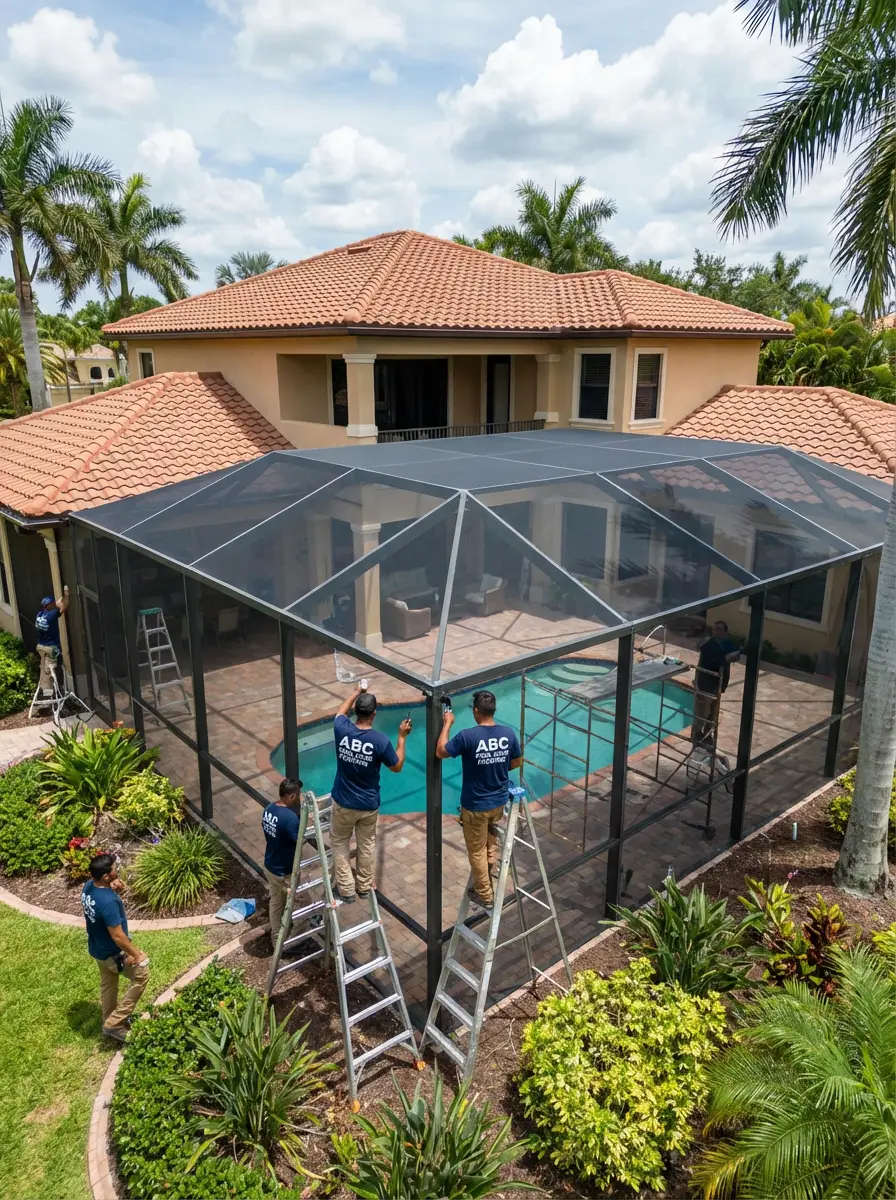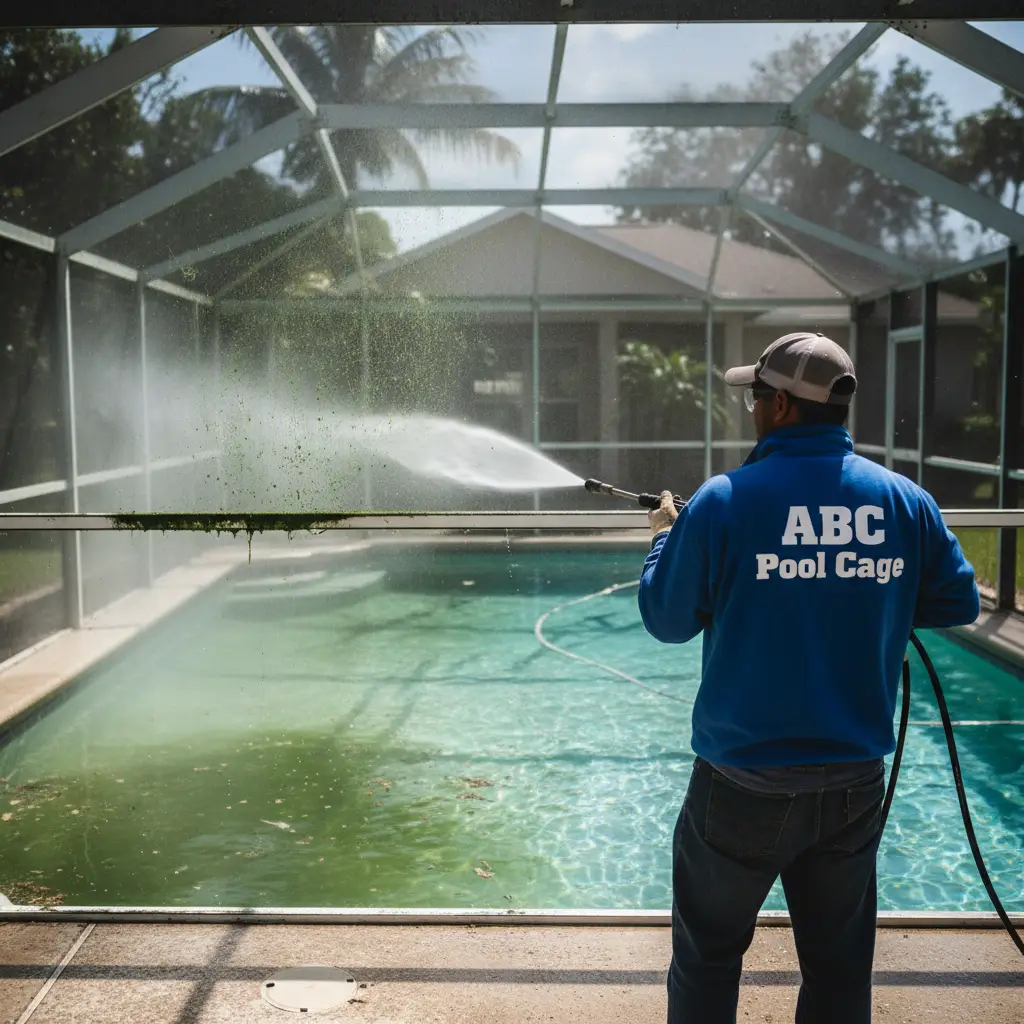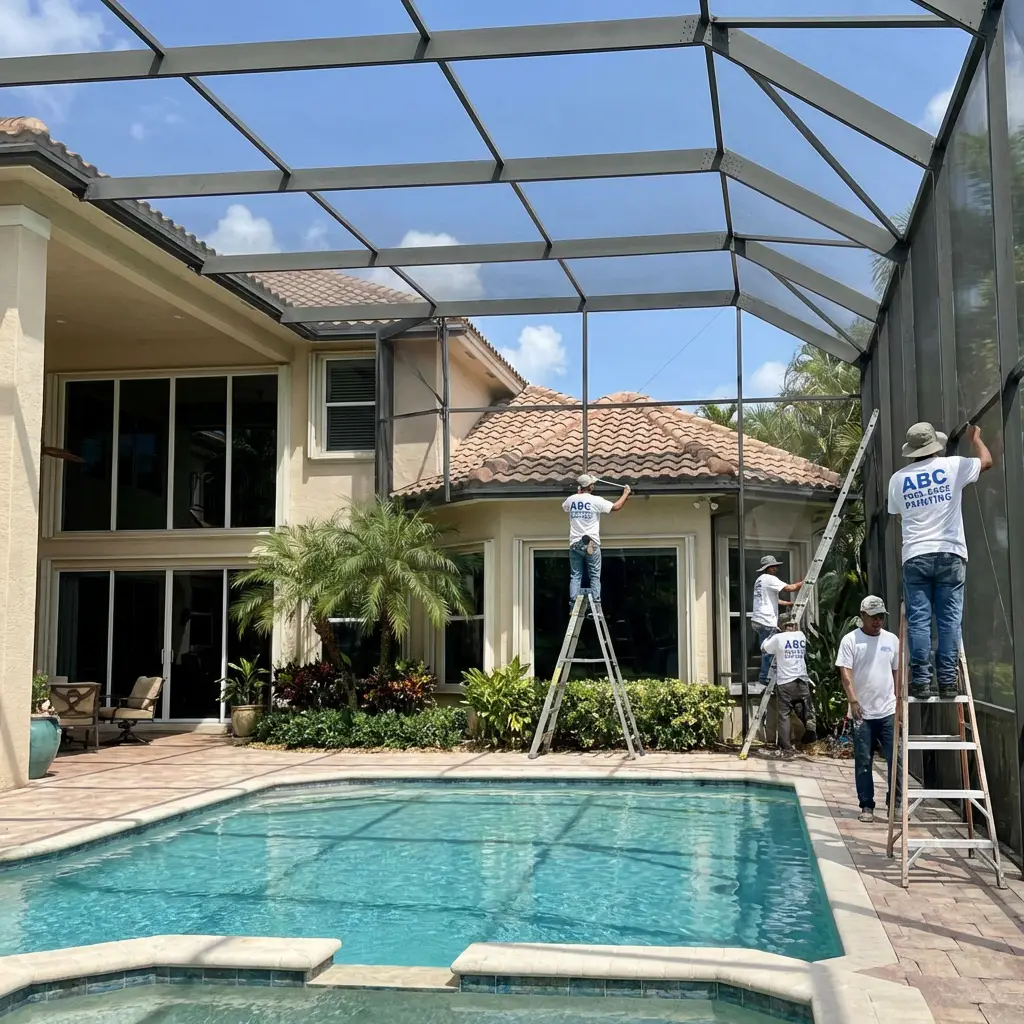
Pool cages are a valuable addition to any property. They provide a protective barrier for your patio enclosure area. They also enhance its aesthetic appeal. However, like any outdoor structure, they require regular maintenance to ensure their longevity and functionality.
This comprehensive guide will walk you through the essential aspects of pool cage maintenance and care.
Why Is Pool Cage Maintenance Important?
Pool cages are constantly exposed to harsh environmental elements, including sun, rain, wind, and salt in coastal areas. Over time, these factors can cause wear and tear, leading to structural damage, discoloration, and weakened screens. Proper maintenance not only preserves the appearance of your pool cage but also ensures its safety and durability.
Benefits of Regular Pool Cage Cleaning:
- Prolonged Lifespan: Routine care can extend your pool cage’s lifespan by preventing premature deterioration.
- Enhanced Appearance: A well-maintained pool cage adds to the overall aesthetics of your patio enclosure.
- Improved Safety: Regular inspections help identify and address potential hazards, such as loose screens or rusted frames.
- Cost Savings: Preventative maintenance reduces the need for costly repairs or replacements.
How to Clean Your Pool Cage Effectively
Cleaning is a fundamental part of pool cage cleaning. Here’s how to do it effectively:
Step 1: Gather Your Cleaning Supplies
- Soft-bristle brush
- Mild detergent or an expert aluminum cleaning solution
- Garden hose or pressure washer (set to low pressure)
- Bucket
- Protective gloves and eyewear
Step 2: Remove Loose Debris
Start by removing leaves, dirt, or cobwebs from the screens and frame. Use a soft-bristle brush or a vacuum with a brush attachment.
Step 3: Wash the Screens and Frame
Mix a mild detergent with water in a bucket. Use a soft-bristle brush or sponge to gently scrub the patio enclosure screens and frame. For stubborn stains, let the solution sit for a few minutes before rinsing.
Step 4: Rinse Thoroughly
Use a garden hose or a pressure washer set to low pressure to rinse off the cleaning solution. High pressure can damage the screens, so be cautious.
Step 5: Dry the Area
Allow the pool cage to air dry completely before using it. This prevents water spots and streaks.
Addressing Common Pool Cage Issues
Even with regular maintenance, pool cages can develop issues over time. Here’s how to address some of the most common problems:
1. Screen Damage
- Cause: Torn or sagging screens are often caused by strong winds, pets, or age.
- Solution: Replace damaged screens promptly to maintain the integrity of the pool cage.
2. Rust and Corrosion
- Cause: Exposure to moisture and salt can lead to rust on metal frames.
- Solution: Sand down the rusted areas, then apply a rust-resistant primer and paint.
3. Loose or Missing Screws
- Cause: Vibrations and environmental factors can loosen screws over time.
- Solution: Tighten or replace screws as needed to ensure structural stability.
When to Repaint Your Pool Cage
Repainting your pool cage is an excellent way to refresh its appearance and protect it from the elements. Here are some signs that it’s time for a new coat of paint:
- Fading or peeling paint
- Visible rust or corrosion
- Chalky residue on the surface
Steps for Repainting:
- Clean the pool cage thoroughly.
- Sand down any rough or rusted areas.
- Apply a rust-resistant primer.
- Use high-quality outdoor paint designed for metal surfaces.
Professional Maintenance Services by ABC Pool Cage Painting in Sarasota
While many maintenance tasks can be done yourself, some situations call for professional expertise. Consider hiring a professional for:
- Extensive repairs
- Repainting projects
- Re-screening
Professionals have the tools and experience to handle complex tasks efficiently and safely.
Frequently Asked Questions (FAQs)
1. How often should I clean my pool cage?
It’s recommended to clean your pool cage at least twice a year. However, if you live in a coastal or high-pollen area, more frequent cleaning may be necessary.
2. Can I use a pressure washer to clean my pool cage?
Yes, but use a low-pressure setting to avoid damaging the screens and frame.
3. What type of paint is best for pool cages?
Use a high-quality, rust-resistant outdoor paint designed for metal surfaces.
4. How do I prevent rust on my pool cage?
Regular cleaning and applying a protective coating can help prevent rust and corrosion.
5. When should I replace my pool cage?
If the frame is severely damaged or the screens are beyond repair, it may be time to replace the entire structure.
Conclusion
Maintaining your pool cage is essential for preserving its functionality and aesthetic appeal. By following the tips outlined in this guide, you can ensure your pool cage remains in excellent condition for years to come. Whether you do maintenance tasks yourself or hire a professional, regular care matters. It helps things last longer.
Share this post: