
Do It Yourself Screen Porch Kits? What Spring Hill Owners Should Know
A clear look at what DIY screen porch kits can and cannot handle on an aluminum pool cage, so you can decide before you buy materials.
- Free Written Estimate
- Fast Scheduling
- Built for Florida Weather
- Licensed & Insured
- Free Written Estimates
Request Your Free Estimate
Not sure if a kit will work for your enclosure? Request a free written estimate and compare options first.
- Free No-Obligation Estimate
- Fast Response Times
- No Pressure Consultation
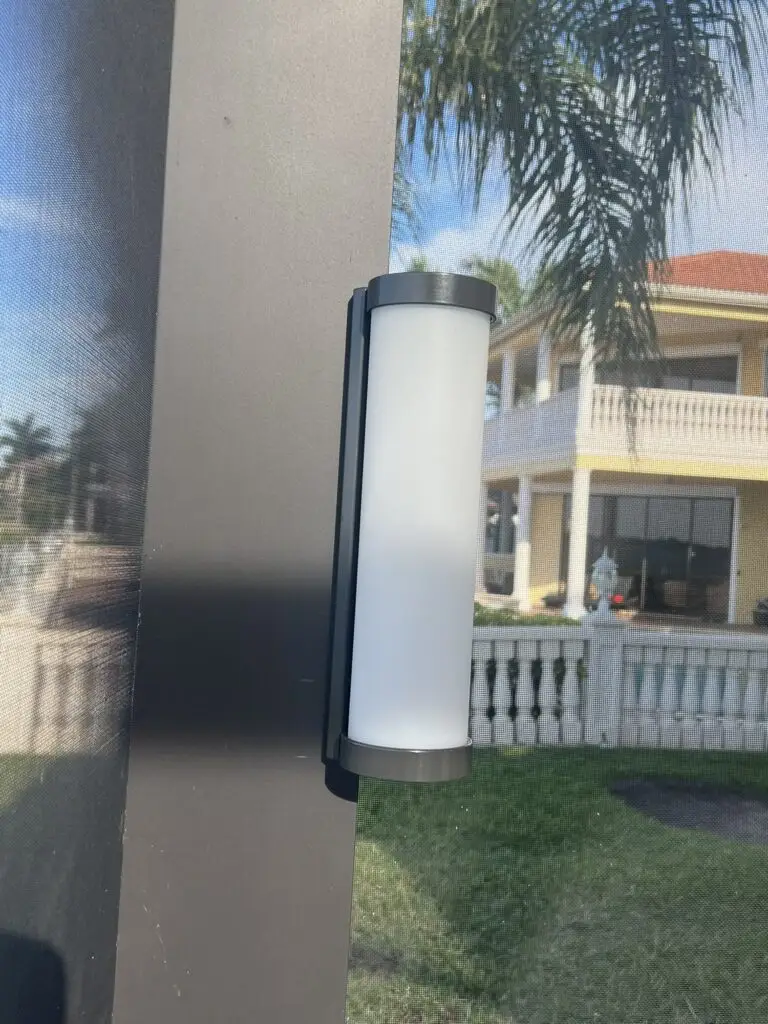
DIY screen porch kits work reasonably well for small, simple flat screen porches with standard-size openings, but most Florida pool cages are not that simple. Pool enclosures involve curved roof panels, tall panel runs, multiple screen doors, and fasteners exposed to sun, salt air, and storm wind loads that a basic kit is not designed to address.
Whether a kit makes sense depends on the size and shape of your cage, the condition of the aluminum frame, local wind and HOA requirements, and how many panels need rescreening at once. A single patio screen door panel might be a reasonable DIY project; a full pool screen enclosure usually is not.
What Actually Drives the Decision
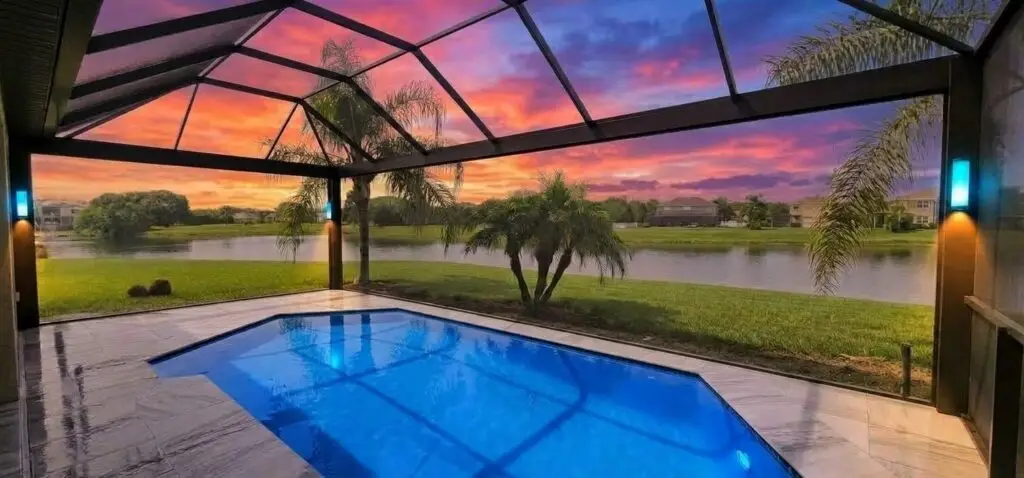
Panel height and curvature matter more than most homeowners expect. A flat patio screen enclosure along a lanai wall uses straight runs that a kit can handle, but a pool cage with a peaked or domed roof has angled and curved aluminum extrusions that require cutting screen to irregular shapes and working from ladders or lifts at height, which changes the job significantly.
Frame condition is the other deciding factor. Spline channels that are chalky, bent, or corroded from salt air and years of sun exposure will not hold new spline securely, no matter how carefully a kit is installed. Screen gauge also needs to match wind exposure; a standard fiberglass mesh sold in most kits is lighter than what many Spring Hill cages need on exposed lots.
- Panel count and total enclosure size
- Flat frame versus curved or domed roof sections
- Spline channel wear and aluminum frame corrosion
- Screen gauge required for local wind exposure
- Number and condition of existing screen doors
What the Work Actually Involves
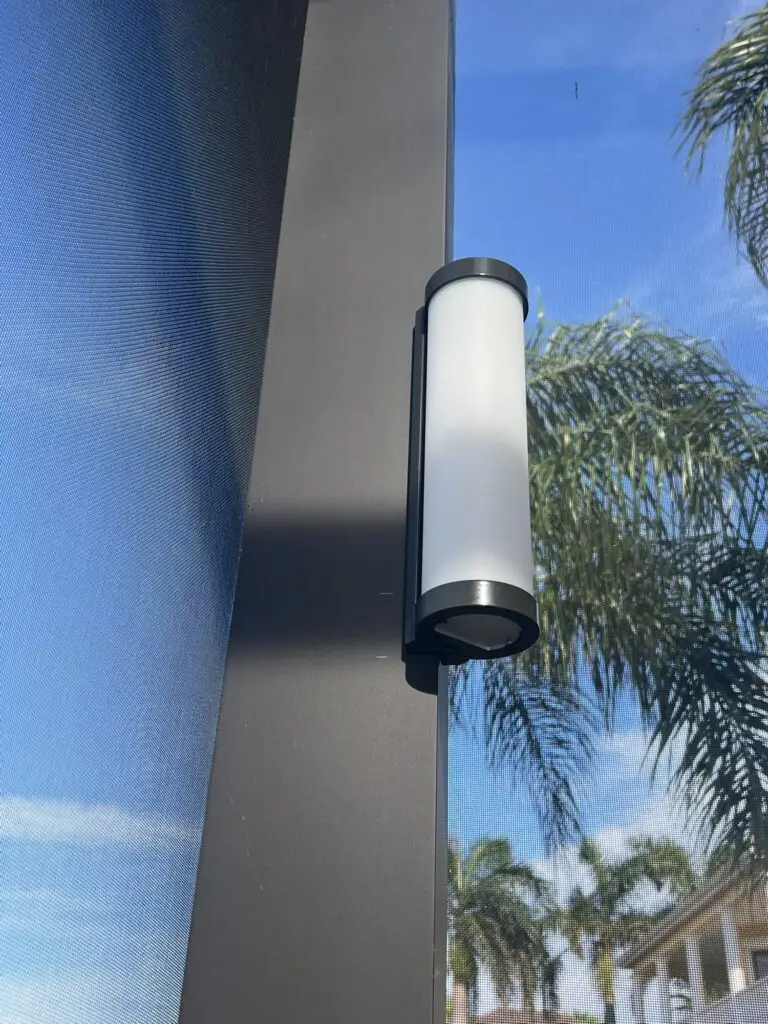
Replacing screen correctly starts with removing the old mesh and spline entirely, then measuring each panel individually since pool cage openings are rarely identical even when they look uniform. The mesh type and spline diameter have to match the existing channel; using the wrong spline size results in screen that pops loose within months, especially on panels exposed to afternoon storms common in this area.
Tall or curved panels near the roofline require different handling than wall-height screens, since the aluminum extrusions bow more easily under tension and need careful, even pulling to avoid wrinkles or sagging. Screen doors get rehung or adjusted last, checking that hinges, latches, and closers line up so the door seals against wind-driven rain instead of flexing or catching on the frame.
Common Mistakes and How to Decide
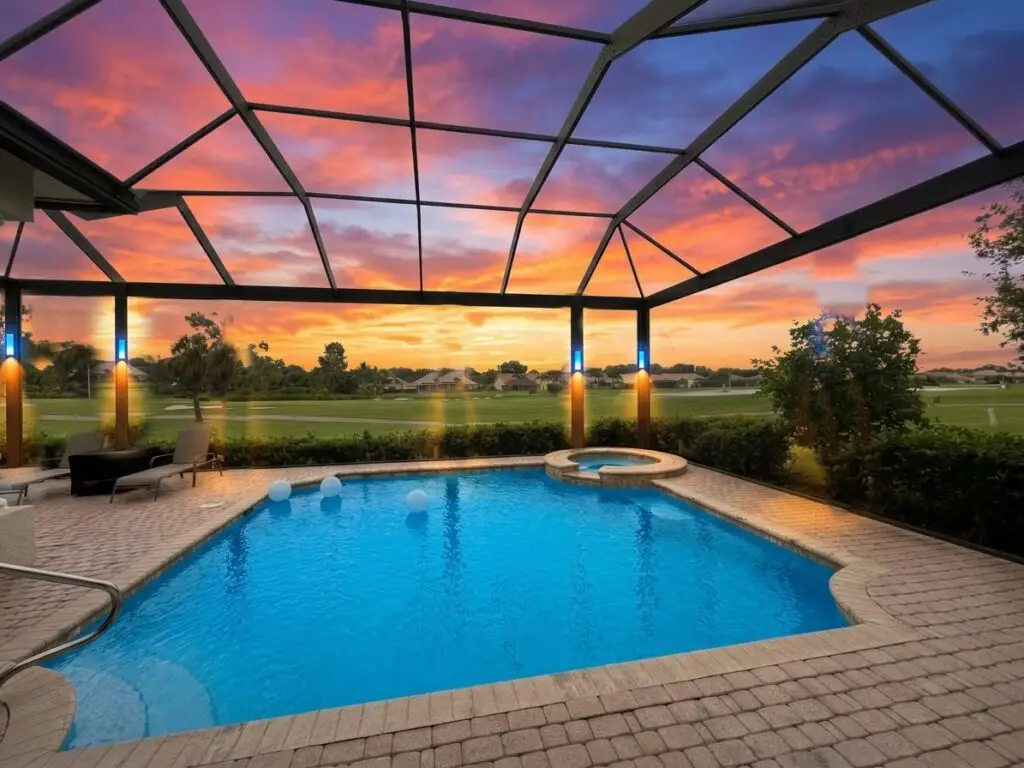
The most common error is spline mismatch, using a diameter close to the old piece instead of measuring it. Spline that is too small lets screen pop loose within months; too large and it will not seat in the channel at all. Mesh tension causes the second round of problems, with panels left baggy enough to flap in wind or pulled so tight the fiberglass stresses and tears at the corners.
Mixing mesh types across one pool screen enclosure is another frequent issue. Standard fiberglass, pet screen, and no-see-um mesh all have different thickness and stretch, so a cage rescreened in stages often ends up with a patchwork look and inconsistent durability panel to panel. Tall sections also raise real ladder safety concerns that flat patio screen work does not.
Before buying materials, check with the HOA or community office. Many Spring Hill area developments specify approved screen colors or mesh types for pool enclosures and patio screen enclosures, and installing the wrong one can mean redoing the work.
- Spline diameter not matched to the existing channel
- Screen panels too loose or overtightened
- Fiberglass, pet screen, and no-see-um mesh mixed across one structure
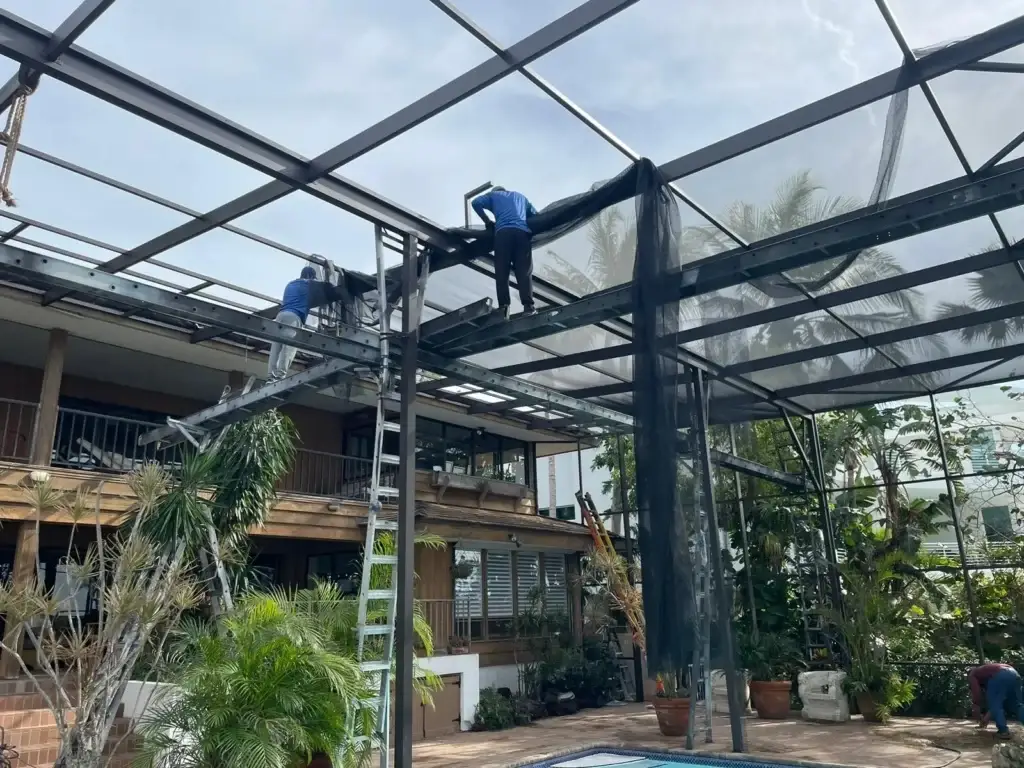
- Ladder work on two-story cage sections without proper footing or a second person
- Community screen-color or mesh-type rules not checked beforehand
When to Call a Pool Cage Professional
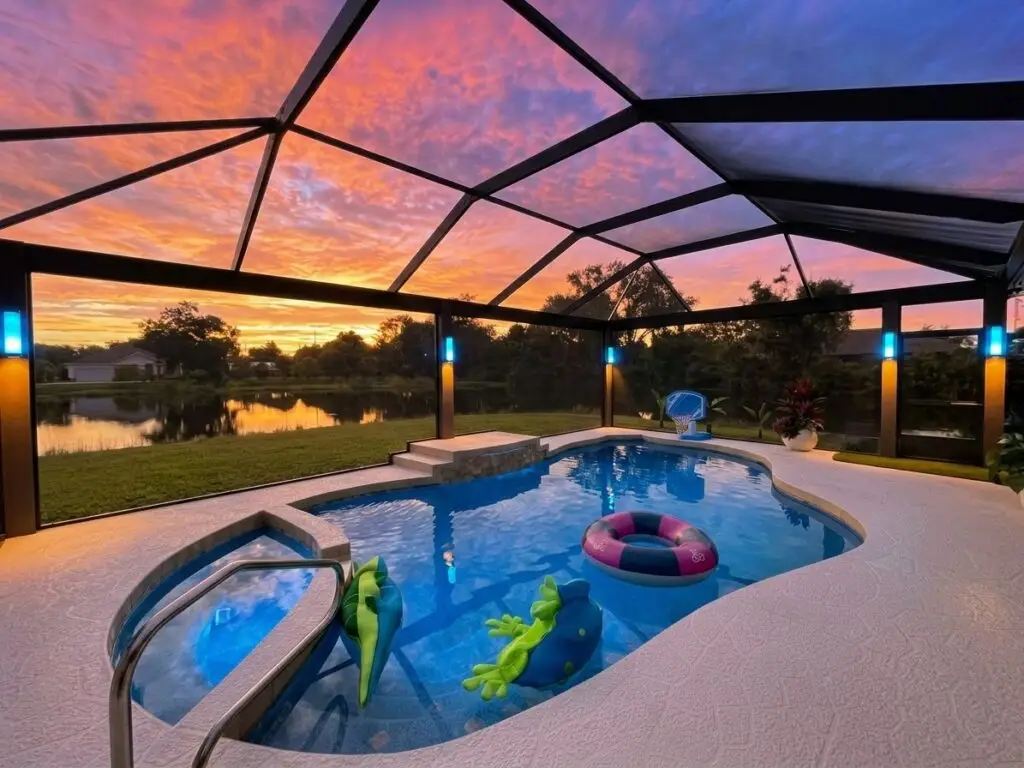
A full rescreen of a pool enclosure is a different job than swapping one torn panel. Matching mesh and tension across every panel, including curved roof sections, is difficult to do consistently without the brackets and tools a crew uses daily. Cages taller than a single story add enough fall risk that the labor alone often justifies hiring out the work.
Framing problems change the job entirely. Bent, corroded, or storm-damaged aluminum needs repair or replacement before new screen goes in, since mesh stretched over a weak frame will fail again quickly. If recent weather has left multiple panels torn or a section of frame pulled loose, that is a structural question first and a screen question second.
Homeowners who want one consistent result across the whole screen enclosure, rather than a patchwork of patch jobs done over several years, typically find it more practical to have the full structure rescreened at once by a crew with the right equipment and materials on hand.
How the work is done, step by step
- Inspect the full frame for corrosion, bent members, or storm damage before any screen is ordered
- Confirm mesh type and, where applicable, HOA-approved screen color for the community
- Remove all old screen and spline from every panel being rescreened
- Measure each panel individually, since panel sizes on one cage are rarely identical
- Install new mesh with correctly sized spline, working panel by panel for even tension
- Final walkthrough to check spline seating, corners, and door operation before cleanup
A full pool cage rescreen typically takes one to three days depending on the number of panels and whether frame repairs are needed first.
Frequently asked questions
Can I rescreen just one panel myself and leave the rest for later?
You can patch a single panel on your own, but mesh ages at different rates depending on sun exposure, so a new panel next to weathered screen will look mismatched within a year or two. Most homeowners get a more even result by rescreening the full enclosure in one visit, though a crew can certainly do one section if that is the budget plan.
What screen mesh type is best for a pool cage in Central Florida?
Standard 18x14 fiberglass mesh is the common choice for pool cages because it balances airflow with insect control and holds up well to Florida humidity. For homes near open fields or with pets, a heavier pet-resistant or 20x20 no-see-um mesh is worth discussing, and your crew can explain the tradeoffs in airflow and visibility during the estimate.
How do I know if my pool cage frame needs repair before rescreening?
Look for corrosion at the footplates and panel joints, panels that flex or rattle in wind, and any bent or bowed ribs on the roof structure. Salt air and years of sun can weaken aluminum connectors even when the frame looks straight, so a technician checks fasteners and footings before any new screen goes on.
Are DIY screen porch kits sized for curved or domed pool cage roofs?
Most retail screen porch and patio screen kits are cut for flat, rectangular openings like a porch or carport, not the curved or domed panels common on Florida pool enclosures. Pool cage roof panels are usually custom-measured and cut on site, which is why kit screening works for a screen porch but rarely fits a pool enclosure cleanly.
Does my Spring Hill HOA have rules about screen color or mesh type?
Many Spring Hill communities have architectural guidelines covering frame color, screen tint, and sometimes mesh density, particularly in deed-restricted neighborhoods. It is worth checking your HOA documents or asking your property manager before work starts, and the crew can match existing frame color or mesh spec if your association requires it.
How long does a full pool screen enclosure rescreen take with a professional crew?
A typical pool cage rescreen takes one to three days depending on the size of the enclosure, the number of panels, and whether any frame repair or a patio screen door replacement is needed. Weather can add a day if rain moves through, since screen is not installed on wet or windy days.
Nearby Areas We Also Serve
Crews serving Spring Hill also cover surrounding Gulf Coast communities, so homeowners within a reasonable drive of the area can request the same estimate and installation process. Bradenton, Tampa, Sarasota, Naples, Fort Myers and Cape Coral.
Statewide details, colors and the full process are on our main pool cage painting page.
Recent Work
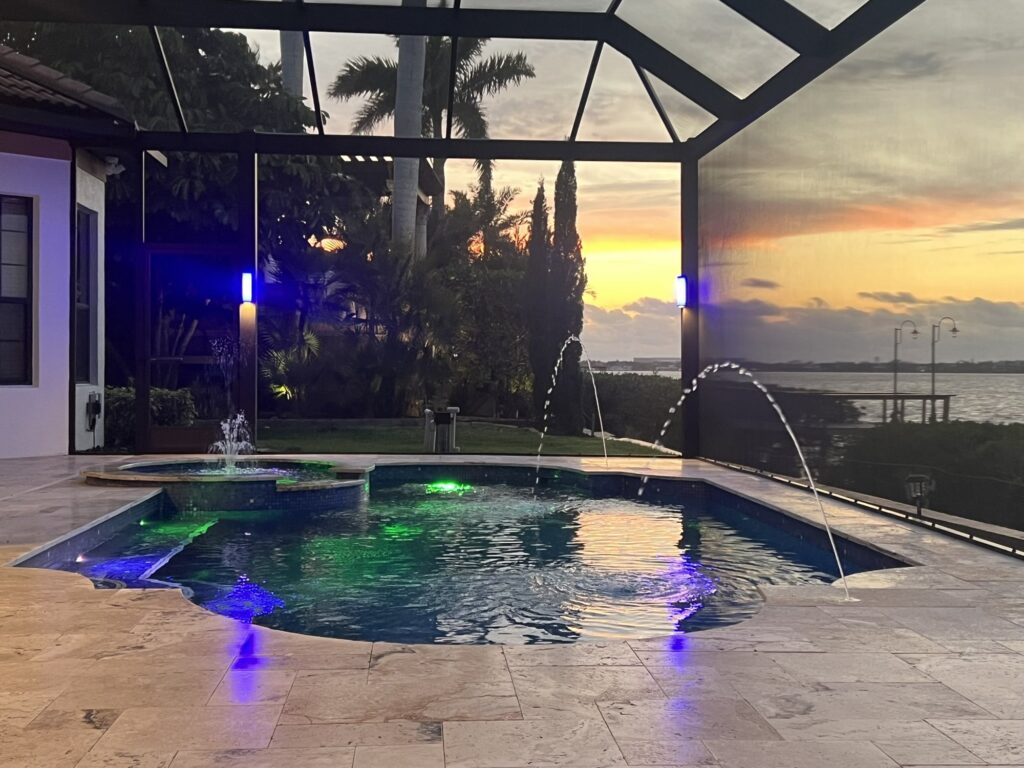
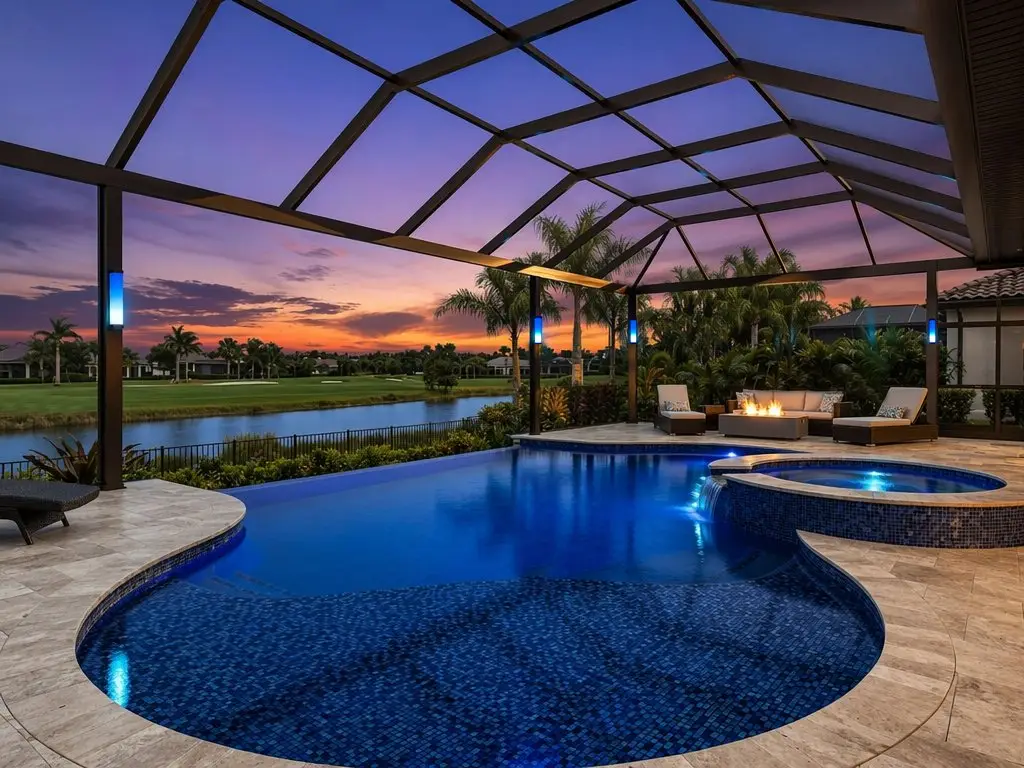
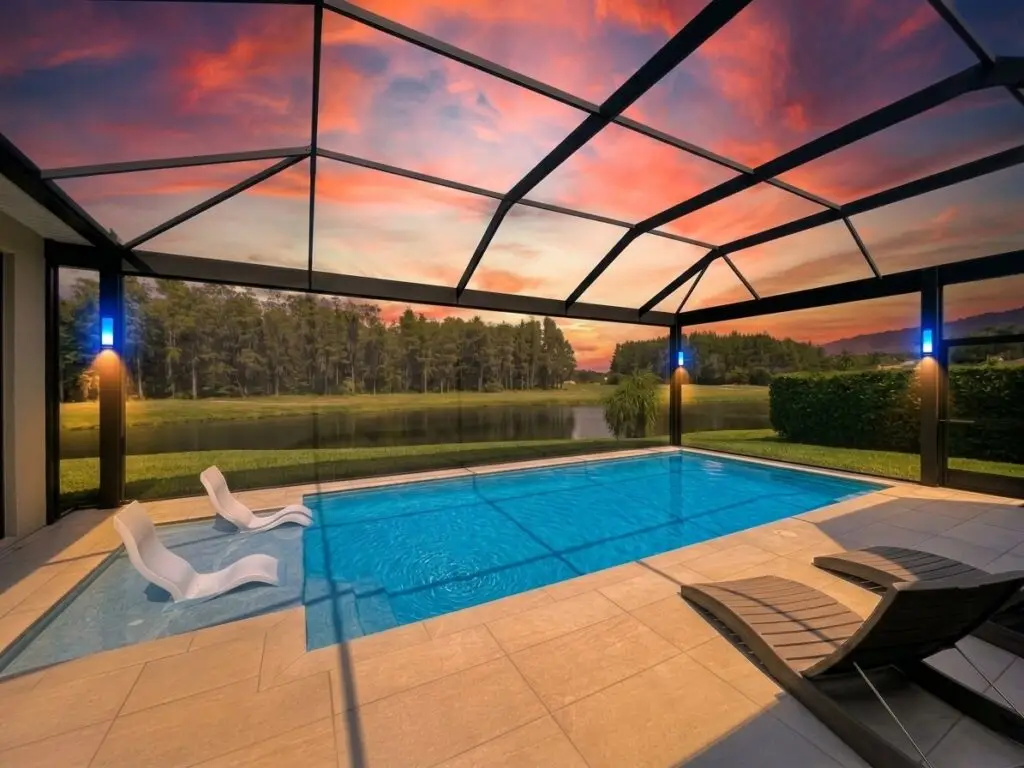
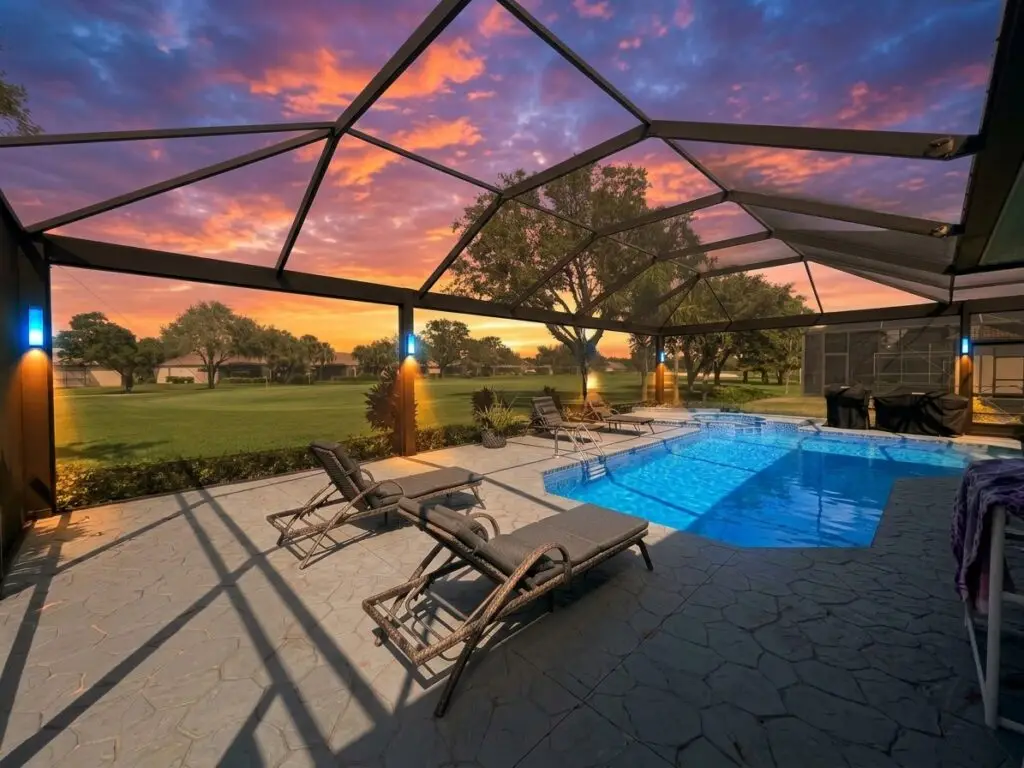
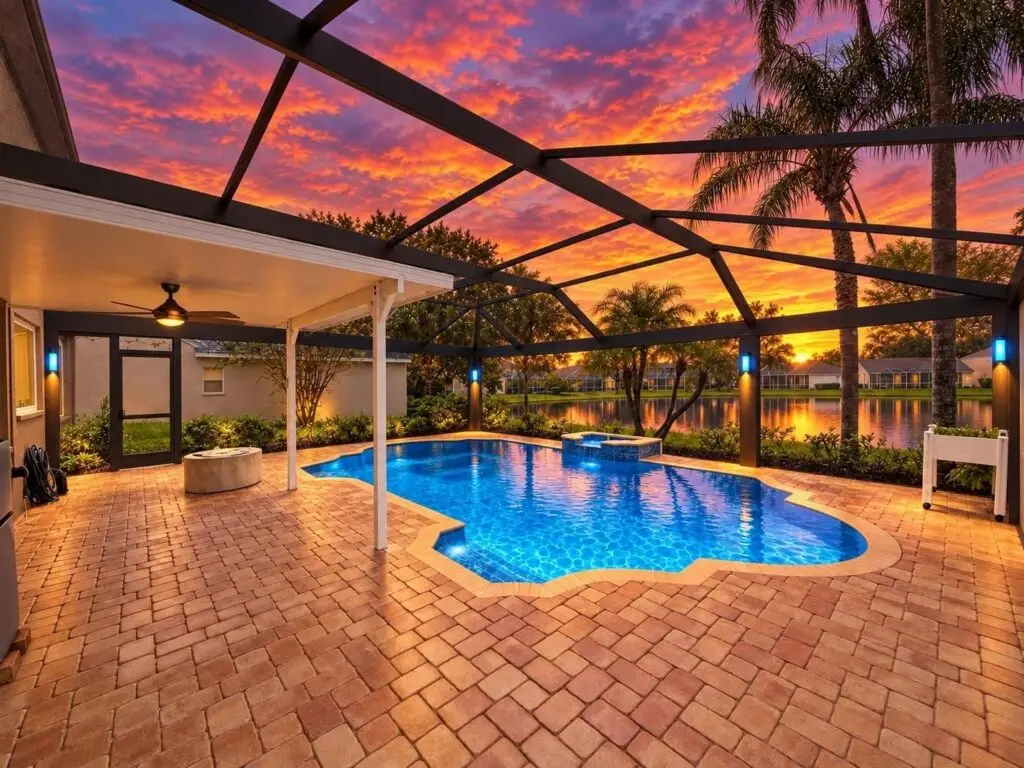
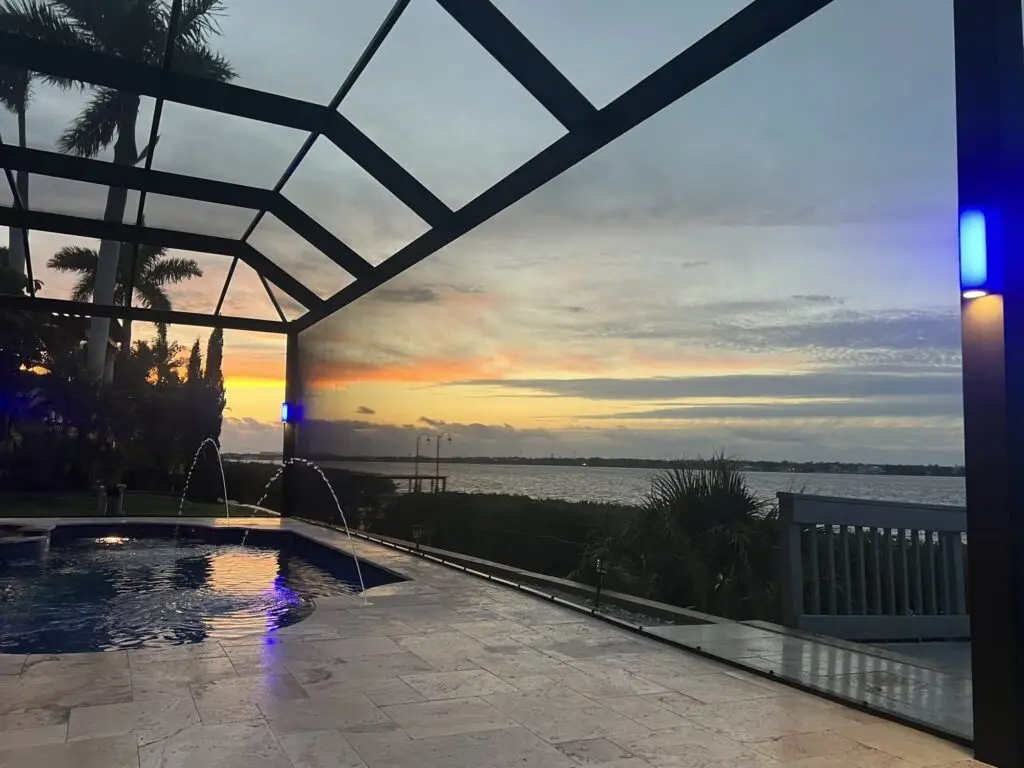
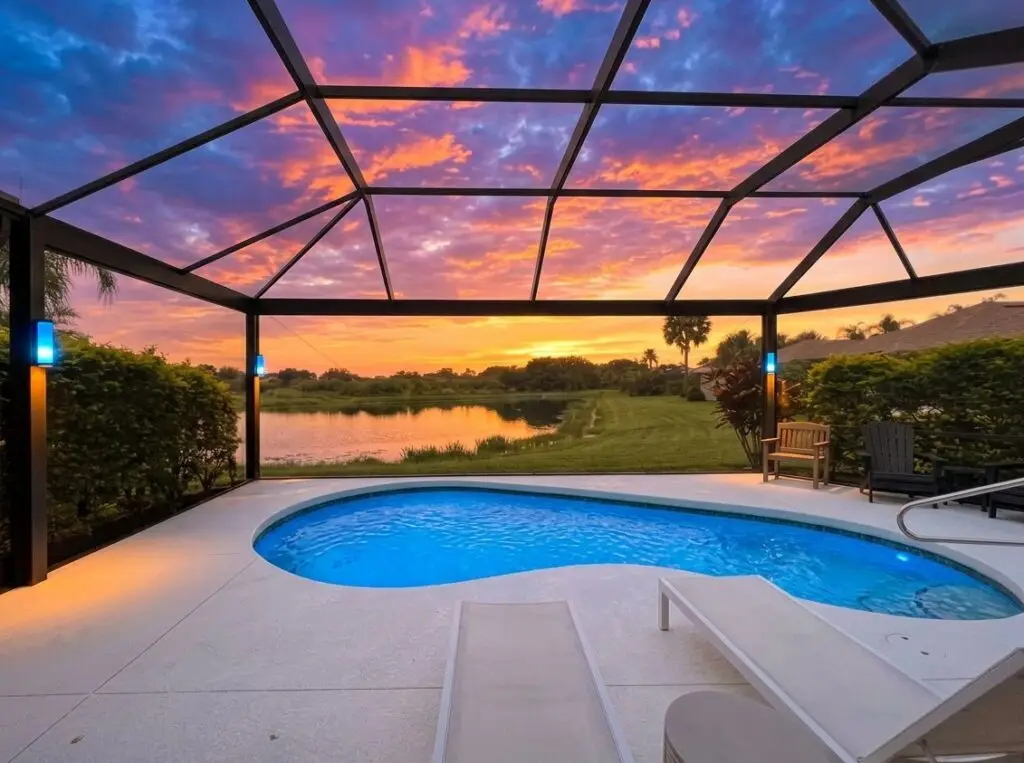
Get a written estimate for your pool cage
Send a few photos of the enclosure along with the property address, and you will receive a written estimate at no cost. For questions before then, call (844) 222-2115.
Last reviewed: November 2, 2026