
Pool Cage Rescreening in Miromar Lakes
ABC Pool Cage Painting rescreens pool enclosures throughout Miromar Lakes, replacing torn or sun-brittled screen with mesh matched to each home's exposure and HOA standards.
- Free Written Estimate
- Fast Scheduling
- Built for Florida Weather
- Licensed & Insured
- Free Written Estimates
Request Your Free Estimate
Request a free rescreening estimate for your Miromar Lakes pool cage.
- Free No-Obligation Estimate
- Fast Response Times
- No Pressure Consultation
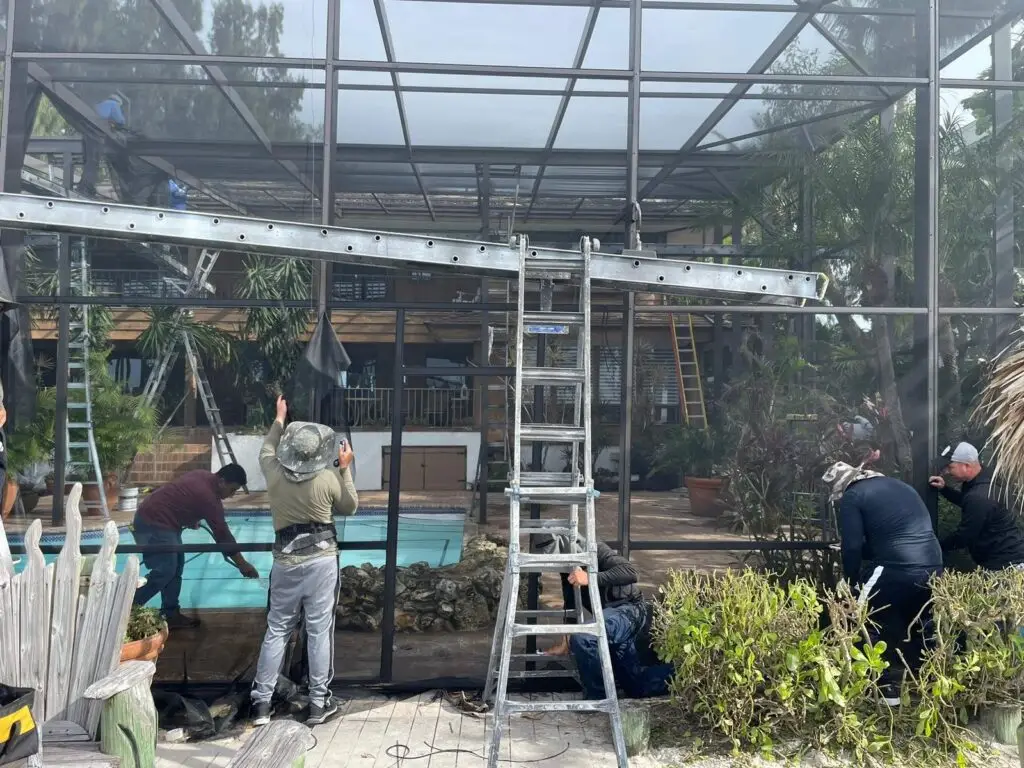
Miromar Lakes sits along a chain of interconnected lakes in Lee County, and most pool cages here face long daily sun exposure with little wind break over open water. That combination breaks down screen mesh faster than homeowners expect, especially on south and west-facing panels where UV load is highest through the afternoon.
We work on pool cages throughout the community’s gated neighborhoods, from lakefront estate homes to attached villas, matching mesh type and panel spacing to each structure’s frame and the HOA’s exterior standards. Our crews handle everything from single torn panels to full rescreens, with a written estimate provided before any work begins.
Sun and Lake Exposure in Miromar Lakes
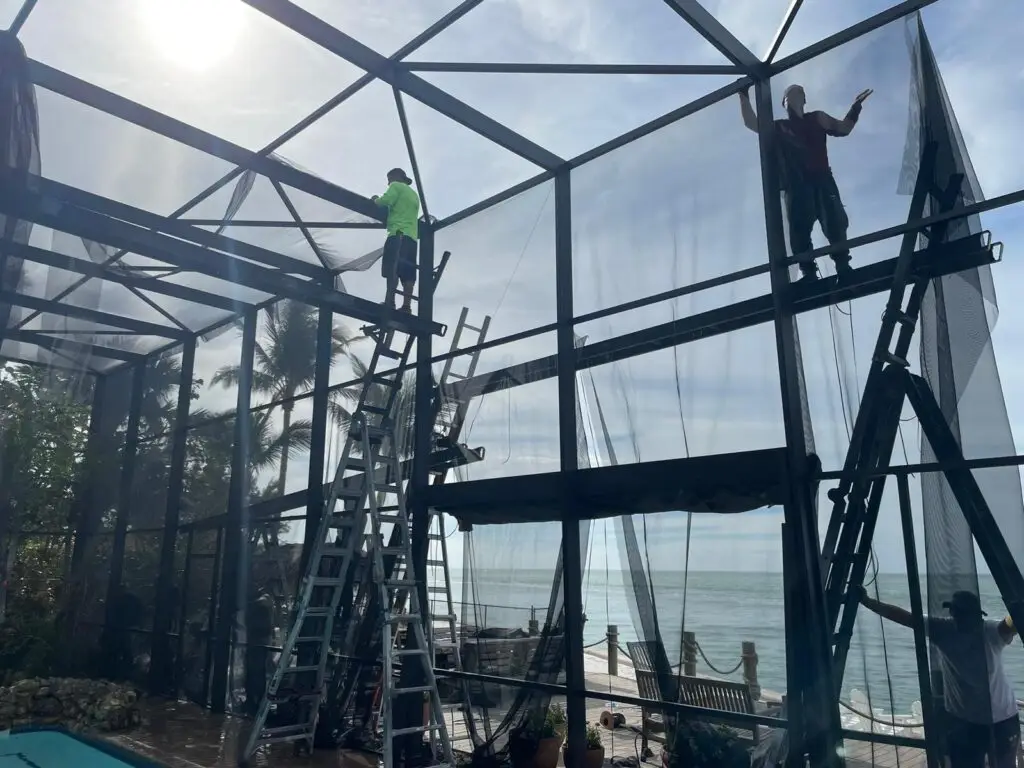
Panels facing the open water in communities like Majorca, Portofino and Mulberry Bay take a different kind of beating than cages tucked between houses. With no adjacent structure to cast afternoon shade, the mesh absorbs full sun for most of the day, and that constant UV exposure shows up first as brittleness along the spline channel, then as small tears that spread once fishing line, pets or pool toys catch an edge.
Many communities in Miromar Lakes operate under HOA guidelines that specify screen color and frame finish, particularly in sections visible from the lake or a golf fairway. Before we order mesh, we confirm what the association allows, since replacing a torn panel with the wrong shade of charcoal or black can trigger a repaint request even when the rescreening itself was done correctly.
Lanais on the lake side also deal with higher humidity near the water’s edge, which keeps screens damp longer after rain and accelerates the breakdown of lower-grade fiberglass mesh. We see this most on cages installed when the home was built and never upgraded, where the original screen has gone past the point where patching makes sense.
How We Rescreen a Lanai, Panel by Panel
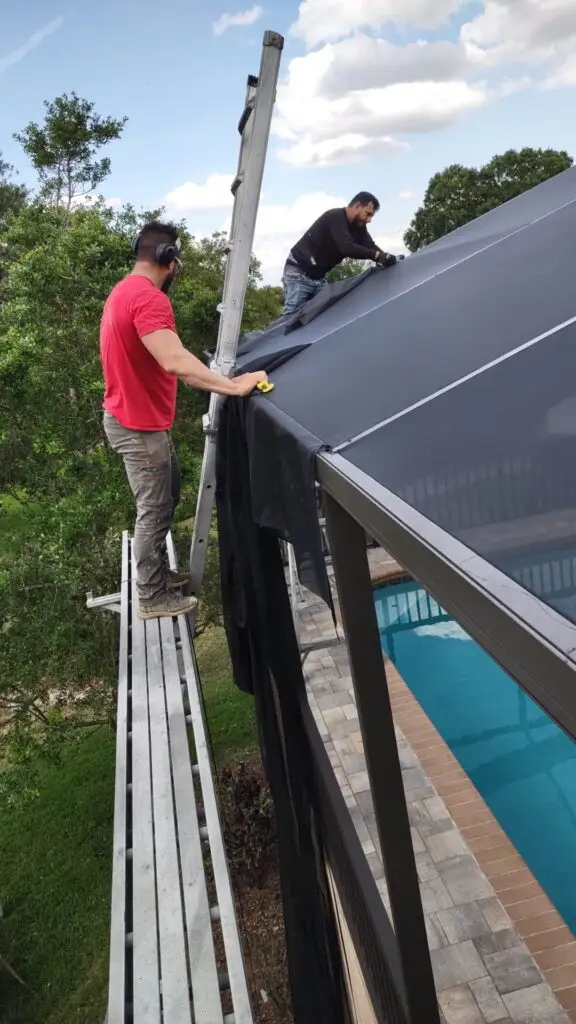
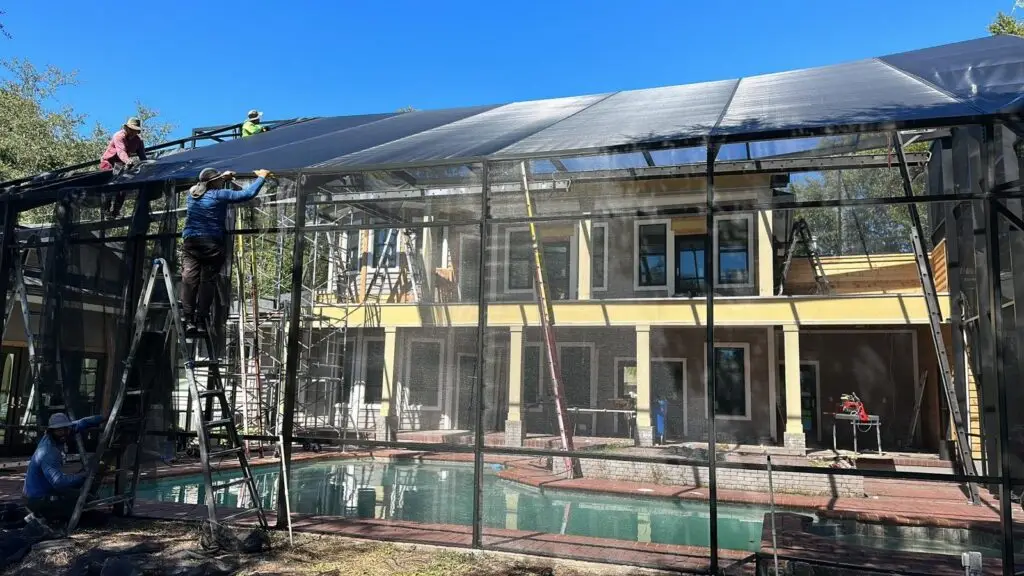
We start by walking the frame before removing a single piece of screen, checking for bowed horizontals, loose corner keys and any aluminum that has pitted from years of lawn irrigation or lake spray. Frame issues need to be addressed first, since new mesh stretched over a weak or misaligned panel will sag or pull loose within a season.
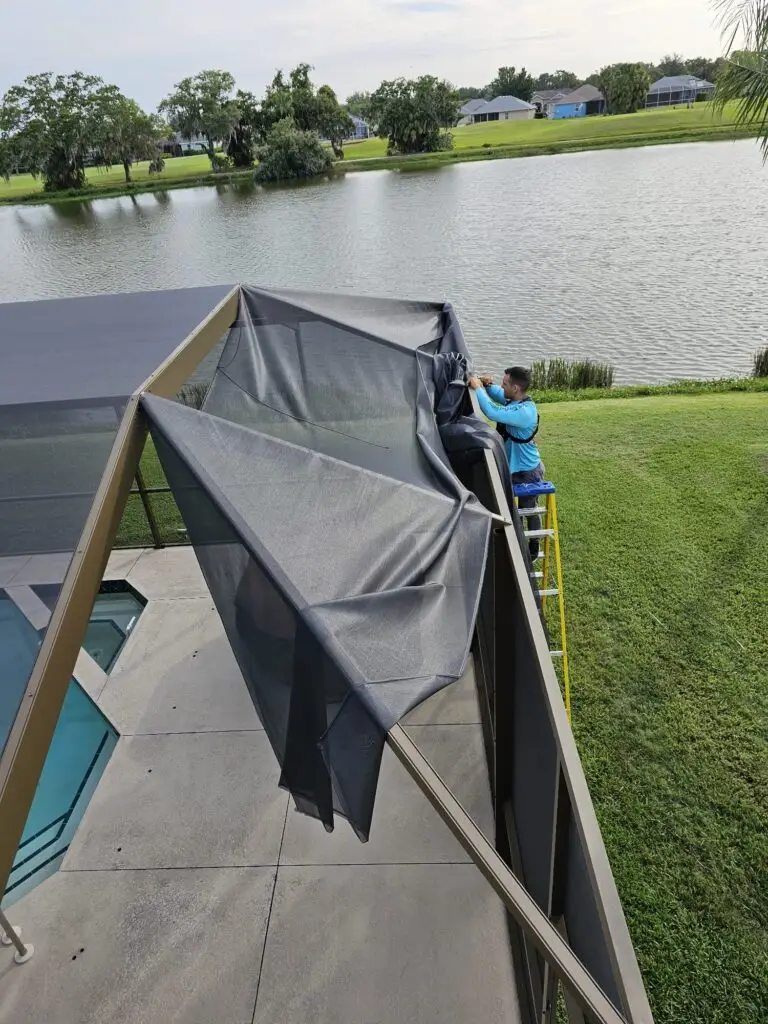
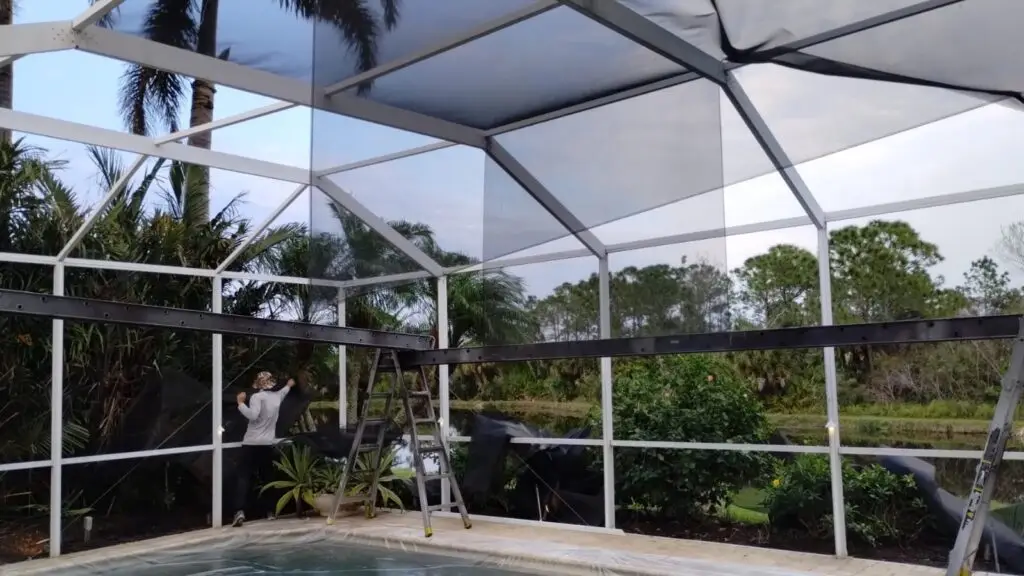
Old screen and spline come out panel by panel, not all at once, so the structure stays supported and we can inspect each channel as we go. Mesh selection depends on the panel’s exposure and the homeowner’s preference: standard fiberglass for most panels, heavier pet-resistant mesh near doors and lanai entries, or solar screen where afternoon glare off the lake is a daily complaint.
Each new screen is cut oversized, pressed into the channel with fresh spline, and stretched taut with a roller before the excess is trimmed flush. We check the tension by hand on every panel before moving to the next, since mesh that looks tight when installed can loosen within weeks if the spline wasn’t seated fully.
- Frame inspection for bowing, corner separation and pitting before any screen is removed
- Mesh options include standard fiberglass, pet-resistant and solar screen by panel
- Spline replaced on every panel, not reused, to keep tension consistent
- Trim-out and cleanup panel by panel, with debris bagged and removed same day
Scheduling Around Weather and Gate Access
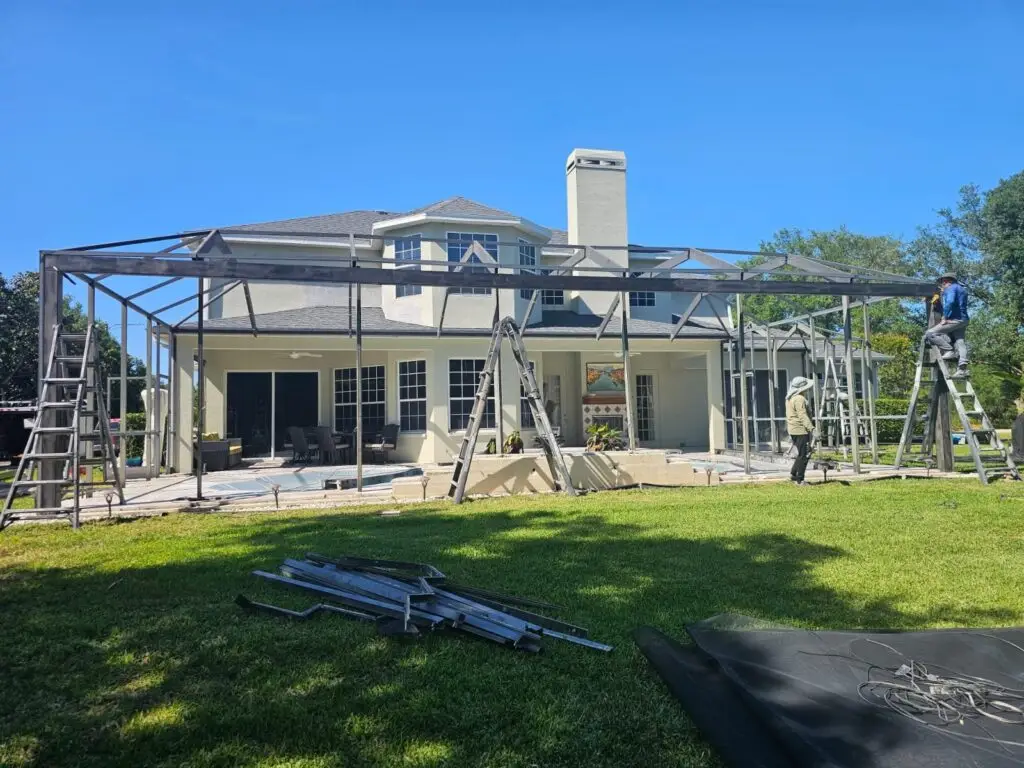
Most Miromar Lakes communities operate through a gatehouse or require advance notice for vendor access, and we confirm that process before a crew is dispatched. If your HOA requires a work permit, proof of insurance, or a specific arrival window, we gather that information during the estimate so the first visit is not spent waiting at the gate.
Southwest Florida’s wet season, roughly June through September, brings afternoon thunderstorms that can halt outdoor screen work for safety reasons, since panels are handled on ladders and near open water on many lots. We build a few flexible days into the schedule during those months rather than promising a fixed start date that weather is likely to push back.
Rescreening itself is quiet work, no spraying or odor, but it does mean crew vehicles and ladders near your lanai for the duration. We coordinate timing with pool service, lawn care or other scheduled vendors if you let us know what days to avoid.
Why Mesh Choice and Frame Condition Matter
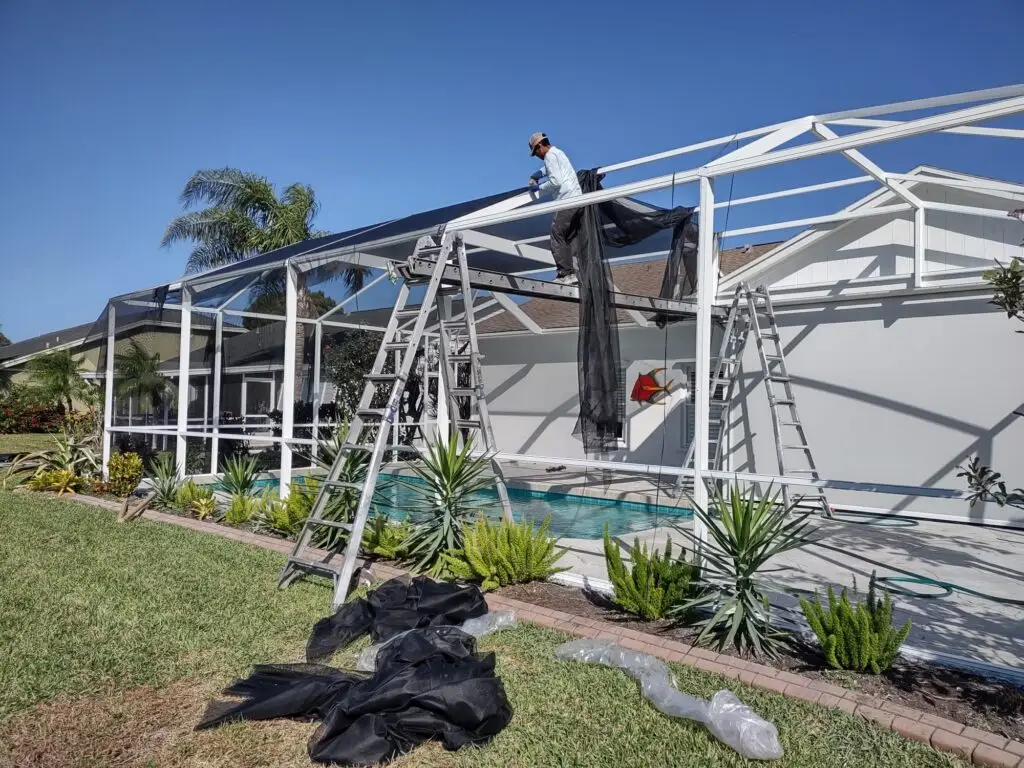
A common shortcut is replacing torn screen without checking the aluminum frame underneath. If a horizontal bar has bowed from wind load or a corner key has loosened, new mesh stretched over a weak frame will sag or tear again within a season or two, and the labor gets paid for twice.
Mesh weight matters as much as frame condition. Standard fiberglass insect screen is fine for most pool cages, but homes facing open water or exposed yards often do better with a heavier pet-resistant or no-see-um mesh, depending on what’s actually causing the wear. Using the lightest, cheapest option everywhere is how a cage ends up needing attention again within a couple of years instead of lasting.
- Bowed or bent horizontal frame members get straightened or replaced before rescreening, not screened over
- Corner keys and spline channels are checked for wear, since loose spline is a leading cause of early screen failure
- Mesh weight is matched to each panel’s exposure, not applied uniformly across the whole cage
- Door panels get reinforced hardware points, since they see more stress than fixed screen
Process and Timeline
- We walk the full cage and note frame condition, panel by panel, before any screen is removed
- Bent or bowed frame members are corrected or replaced so new screen has a sound structure to hold
- Old screen and spline are removed and the channels are cleaned out
- New mesh is cut, stretched and spline-set panel by panel, matched to each section’s sun and wind exposure
- Doors and high-use panels are checked for hardware wear and reinforced if needed
- We walk the finished cage with you to confirm tension and fit before closing out the job
Most Miromar Lakes rescreening projects run two to four days depending on cage size and weather delays during the wet season.
Miromar Lakes Pool Cage Rescreening FAQ
How do I know if my pool cage needs full rescreening instead of a few panel repairs?
If the damage is limited to one or two panels from a recent tear or a fallen branch, spot repair makes sense. Once mesh across multiple panels has gone brittle, chalky or is pulling loose from the spline track, the whole enclosure is usually at the same point in its life and full rescreening is the more practical route.
What type of screen mesh holds up best for homes directly on the lake in Miromar Lakes?
For cages facing open water, a heavier fiberglass mesh in the 18x14 range is a common choice because it resists the steady humidity and wind-driven debris that come off the lake. Homeowners wanting a clearer sightline to the water sometimes opt for a lighter mesh, which trades some durability for visibility, so this is worth discussing against how exposed the enclosure is.
Does ABC Pool Cage Painting handle HOA approval or color requirements before starting work?
Many sections of Miromar Lakes operate under community design guidelines covering screen color and frame finishes. We can provide spec sheets and color samples for submission, though the homeowner or property manager typically needs to file the actual approval request with the association.
How long does rescreening an average Miromar Lakes lanai take from start to finish?
A standard single-family lanai usually takes one to three days once work begins, depending on the number of panels and whether any framing needs minor repair first. Larger cages around pool and lake-view homes, or ones with curved roof panels, can run closer to a week.
Can you work around pool furniture, landscaping and a locked community gate?
Yes, we move or protect furniture and plantings near the work area as a standard part of the job. For gated access, we coordinate ahead of time with the homeowner or the community's gate procedure so the crew isn't delayed on arrival.
Will new screen match the existing frame color, or does the frame need painting too?
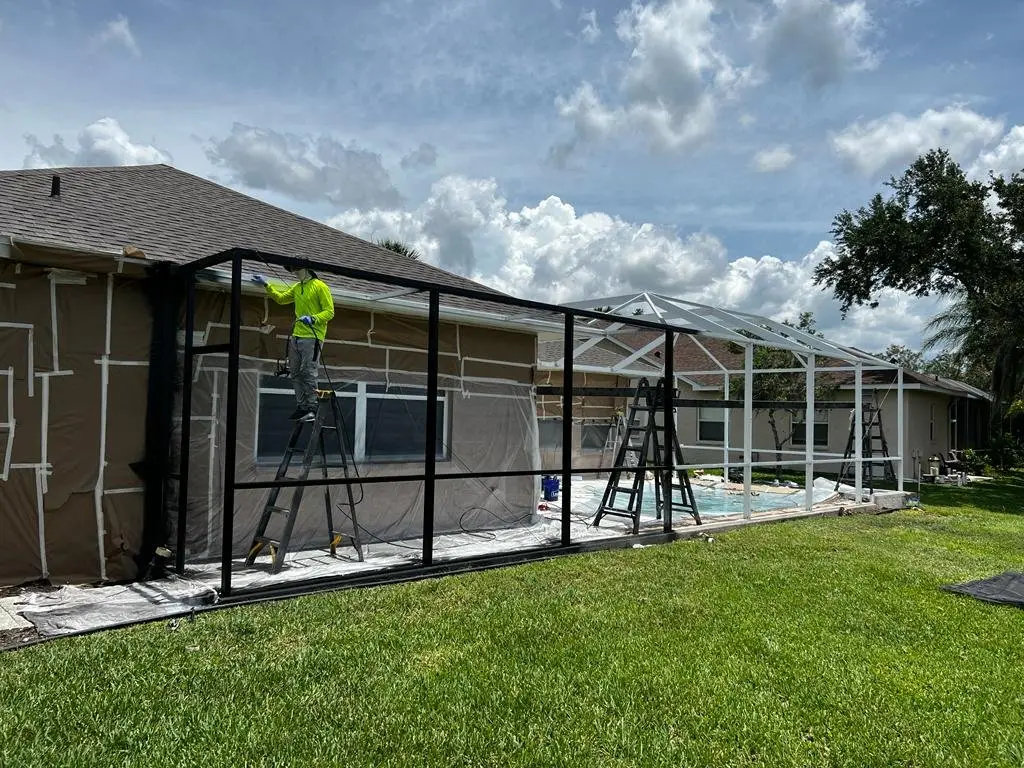
New screen mesh won't change the frame's appearance, but it often makes faded or chalky aluminum more noticeable by contrast. If the frame shows oxidation or color loss, painting it at the same time as rescreening gives a more finished, uniform result.
Nearby Areas We Also Serve
Crews serving Miromar Lakes also regularly work in the surrounding Lee County communities along the Fort Myers to Bonita Springs corridor. Fort Myers, Cape Coral, Bonita Springs, Estero, Lehigh Acres and North Fort Myers.
Statewide details, colors and the full process are on our main pool cage rescreening page.
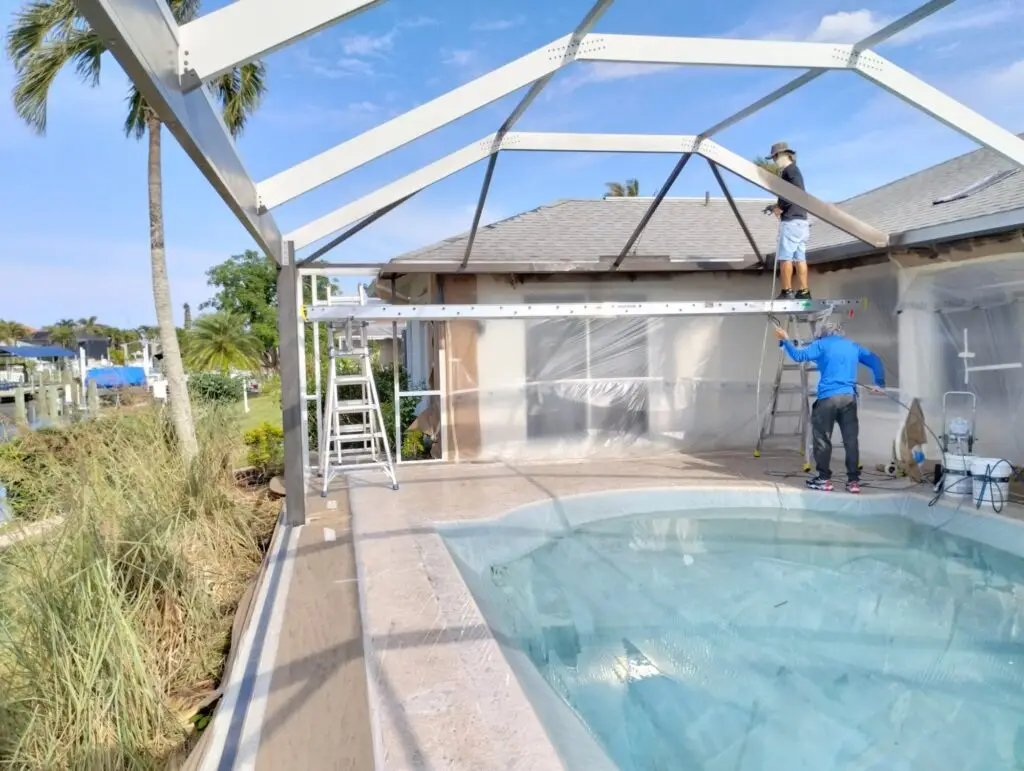
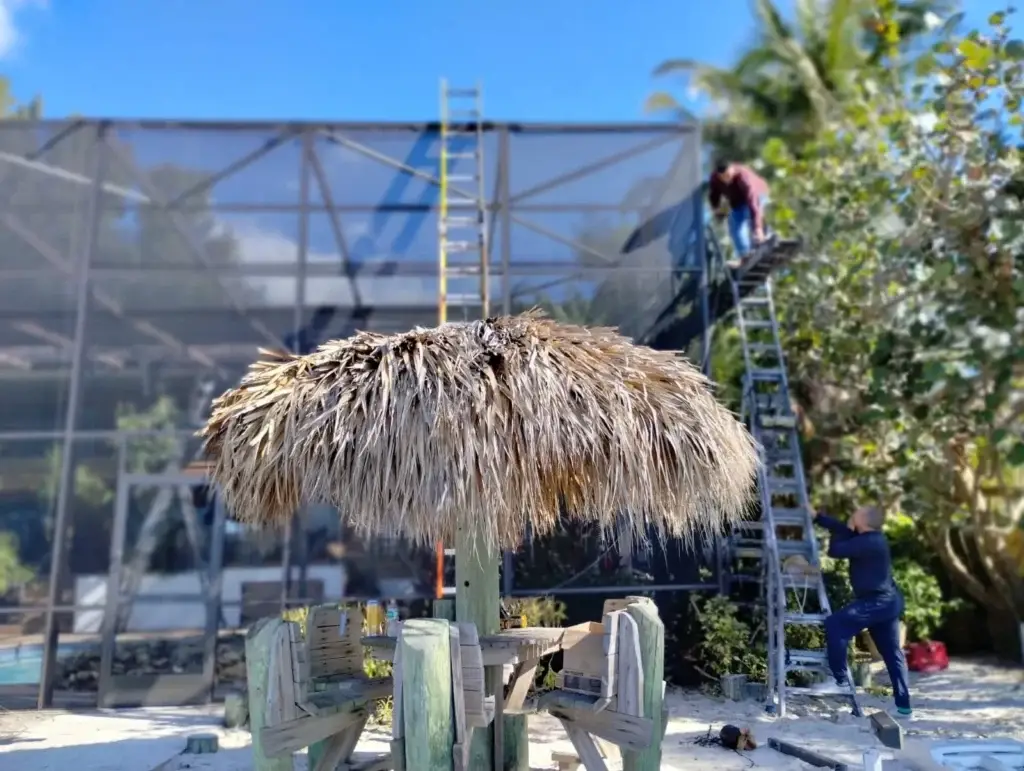
Recent Work
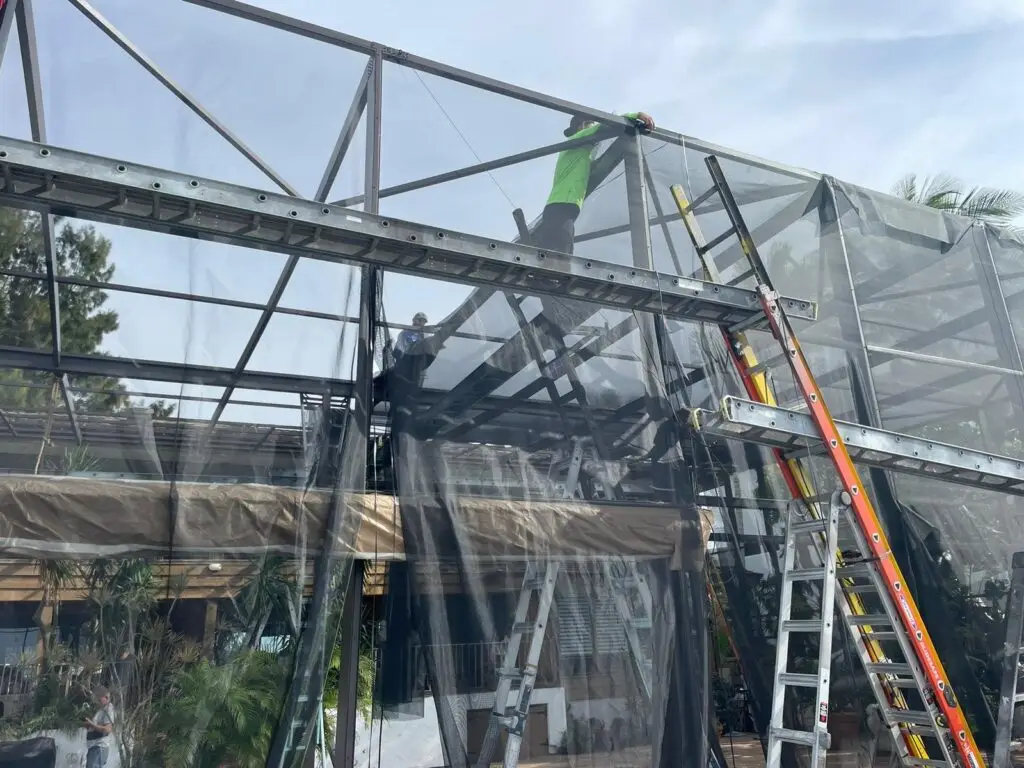
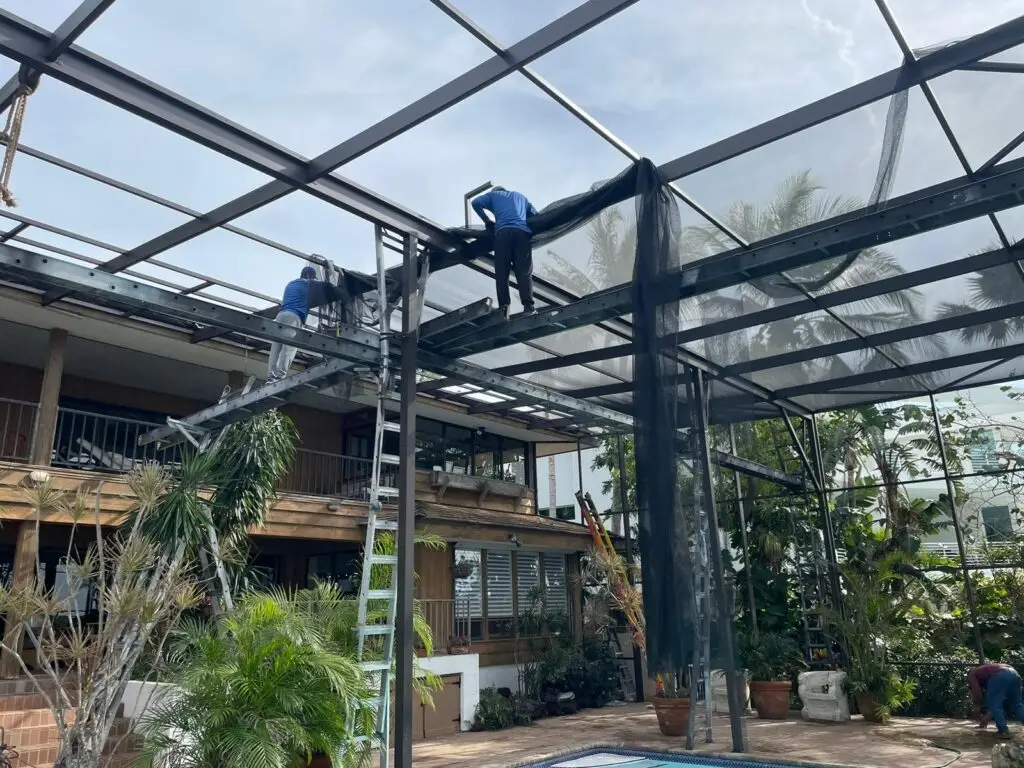
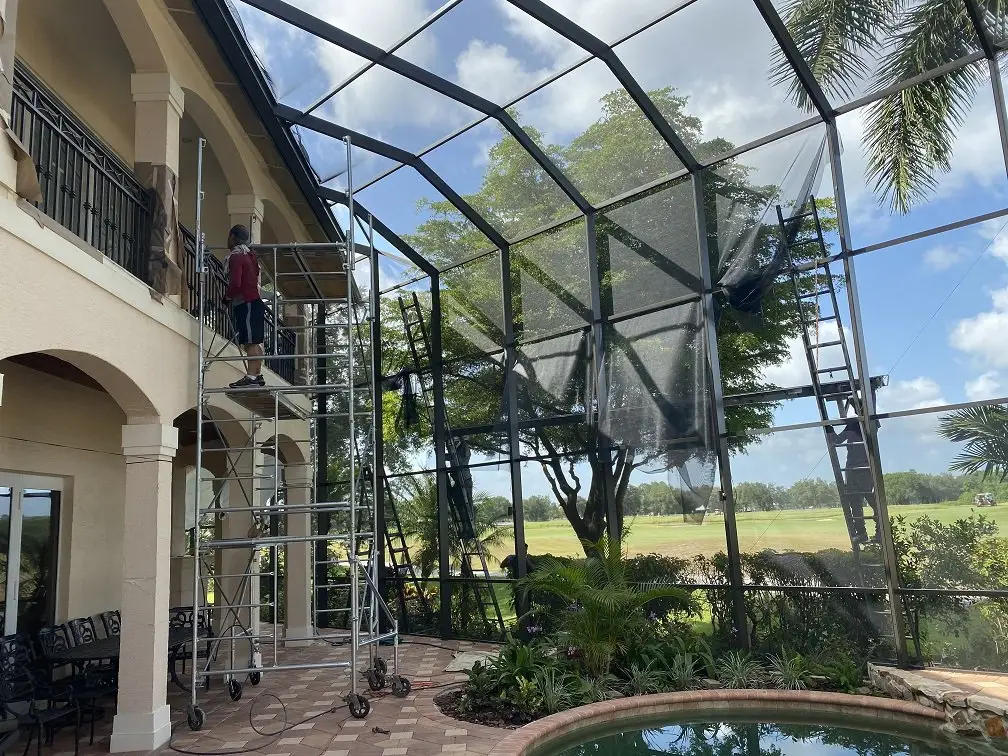
Request a Miromar Lakes Estimate
Send a few photos of your pool cage along with the property address in Miromar Lakes, and we'll review the mesh, frame condition and panel count before responding. You'll receive a written estimate with no obligation, and can reach us directly at (844) 222-2115 if you'd rather talk through the details first.
Last reviewed: November 3, 2026