
Panoramic Screen Conversion in Estero, FL
We help Estero homeowners replace standard screen panels with clear panoramic screen sections that open up views of the pool and surrounding landscape.
- Free Written Estimate
- Fast Scheduling
- Built for Florida Weather
- Licensed & Insured
- Free Written Estimates
Request Your Free Estimate
Request a free written estimate for your Estero screen conclosure.
- Free No-Obligation Estimate
- Fast Response Times
- No Pressure Consultation
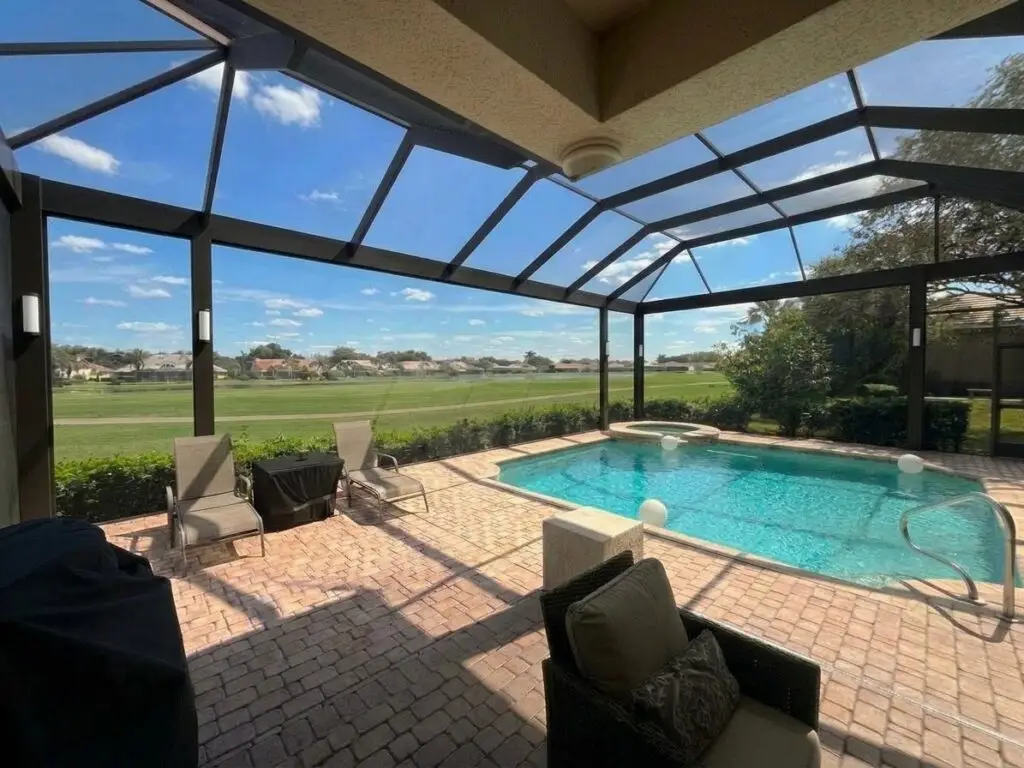
Estero sits between Fort Myers and Bonita Springs in Lee County, and many of its communities, from Wildcat Run to The Brooks to West Bay Club, were built with full-frame pool cages designed to keep out insects and debris while the owner still enjoys a lake, golf course, or preserve view. Panoramic screen conversion removes the horizontal support bars from select panels, usually along the view side, and replaces standard screen with larger no-see-um or clear vinyl mesh panels held by fewer, better-placed supports.
We have worked on cages across Estero, including homes near Coconut Point and along US-41, where the existing aluminum frame is sound but the screen layout blocks sightlines homeowners want opened up. Before recommending a conversion, we inspect the frame for wear from salt-laden air moving in off the Gulf and recurring summer storm loads, since panoramic sections only perform well on a structure that can still support them.
Estero Neighborhoods and View Lots
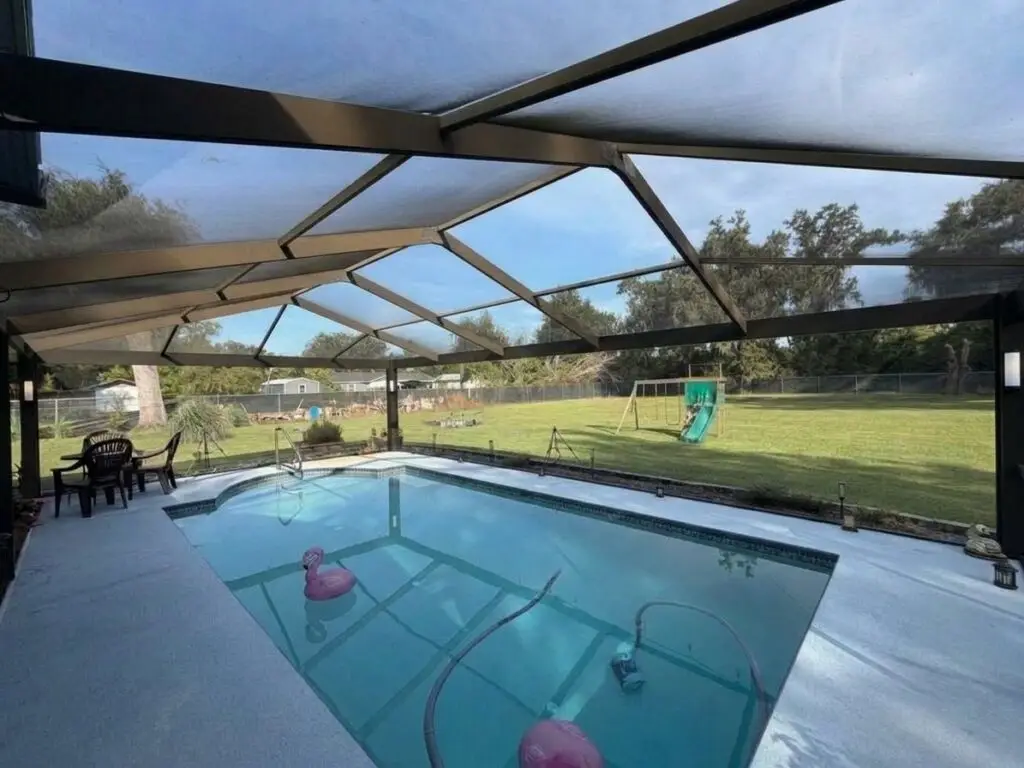
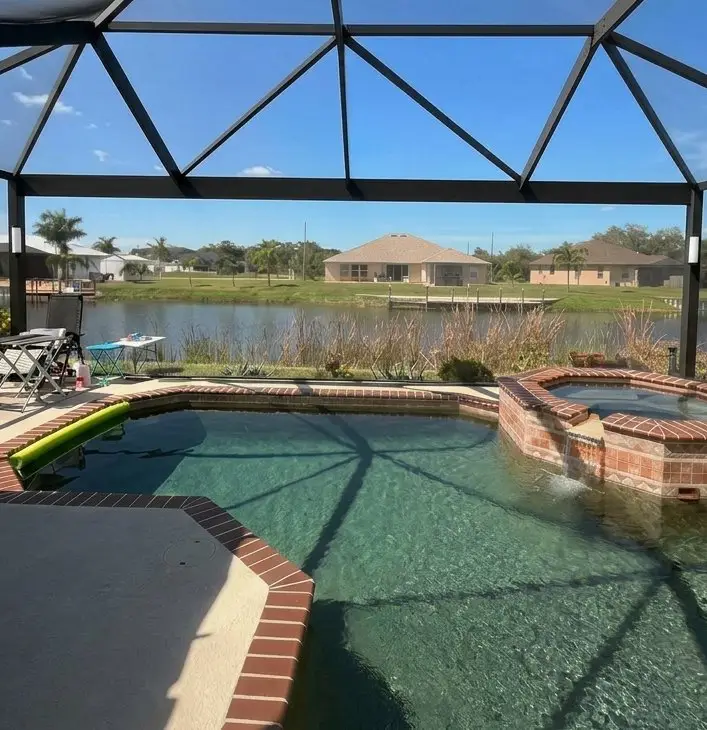
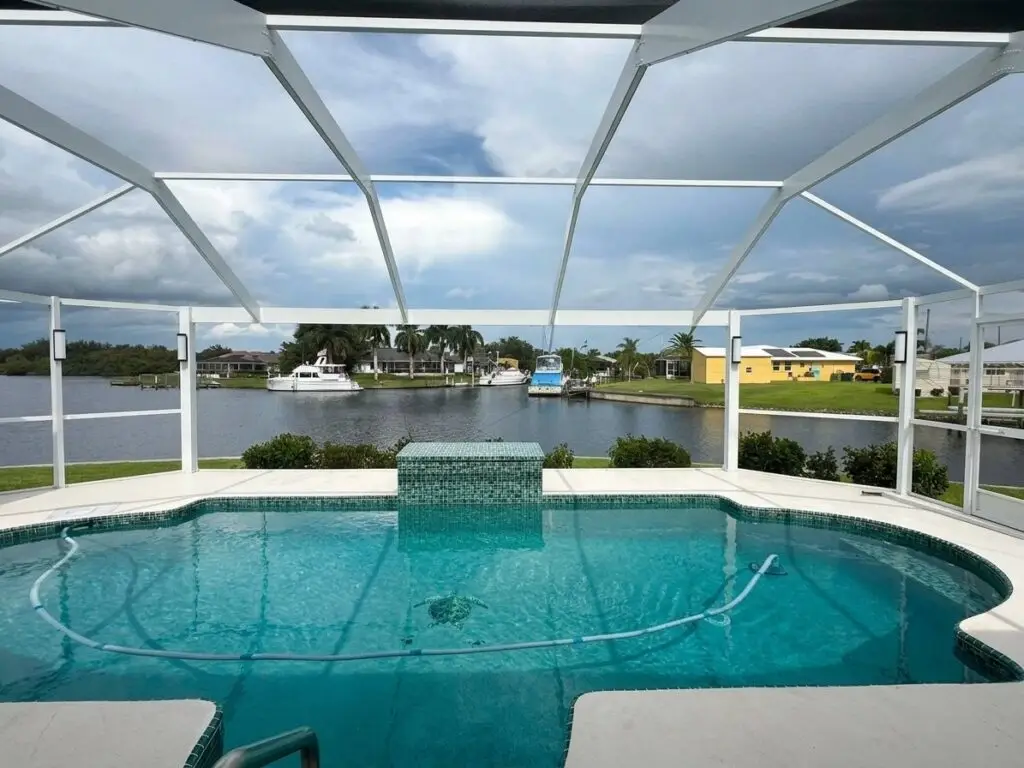
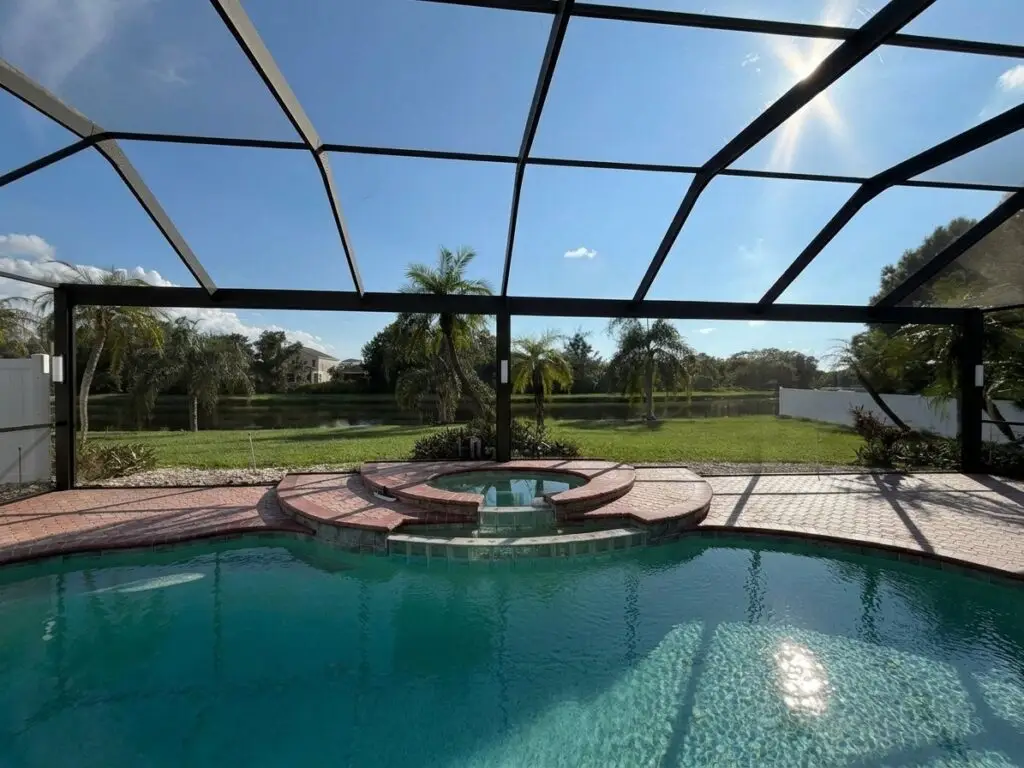
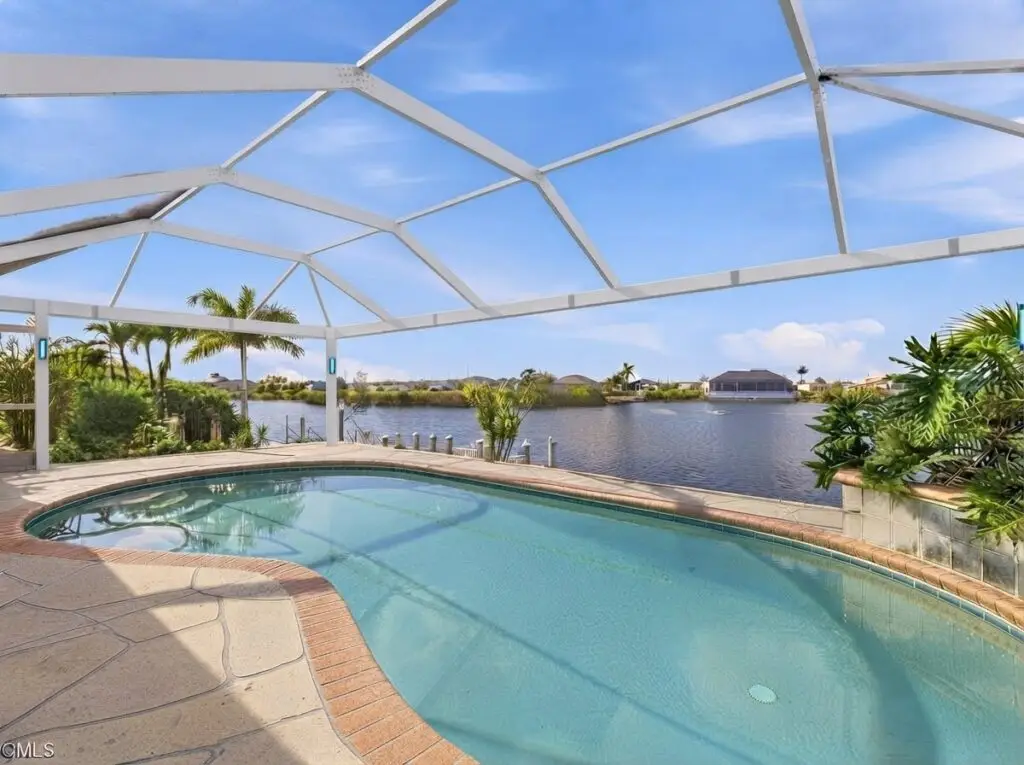
Lakefront lots in communities such as Grandezza and Marsh Landing are common candidates, since the standard horizontal bars tend to cut across the water view right at eye level when seated on the lanai. Removing those bars on the lake-facing panels opens the sightline without changing the rest of the cage structure.
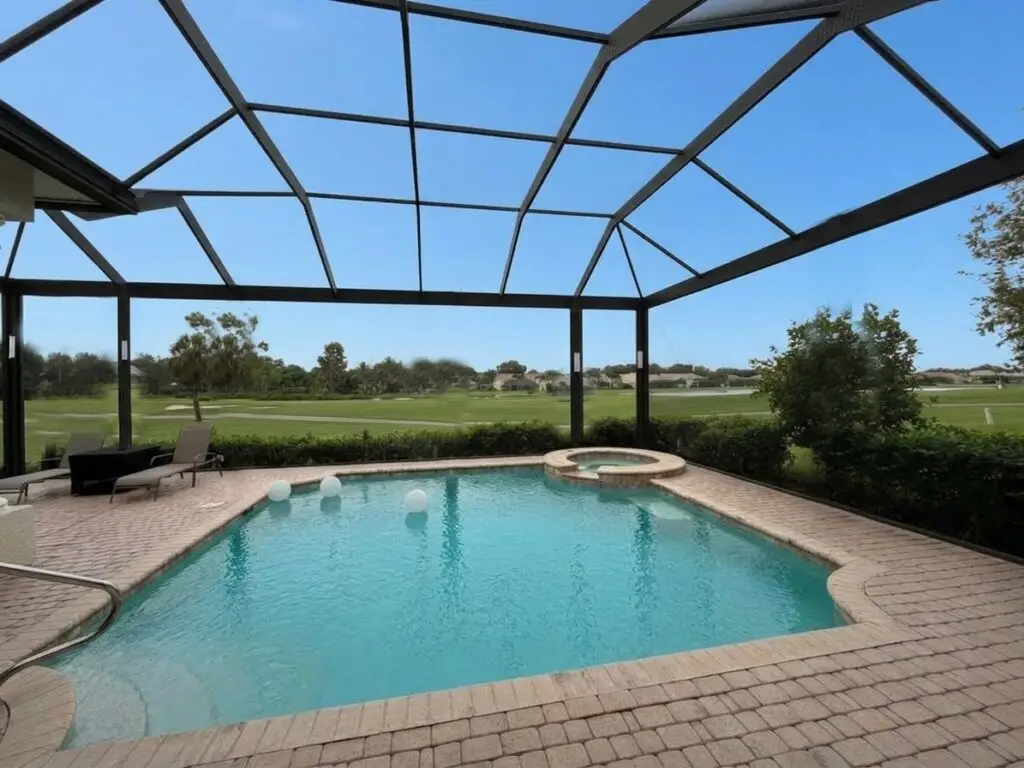
Golf course homes along Estero Country Club and The Vines face a similar issue, where bars interrupt views of the fairway or a water hazard. Preserve lots near Stoneybrook and Copper Oaks raise a different consideration: owners often want the open view but still need secure screening to keep out insects drawn to the adjacent wetlands and wooded buffers.
Corner lanais and pie-shaped lots, found throughout Estero’s newer communities off Corkscrew Road, sometimes have two exposed sides worth converting instead of one. We have worked on cages across Estero with these layouts, and the conversion is scoped panel by panel based on which views the owner actually uses.
How the Conversion Is Done
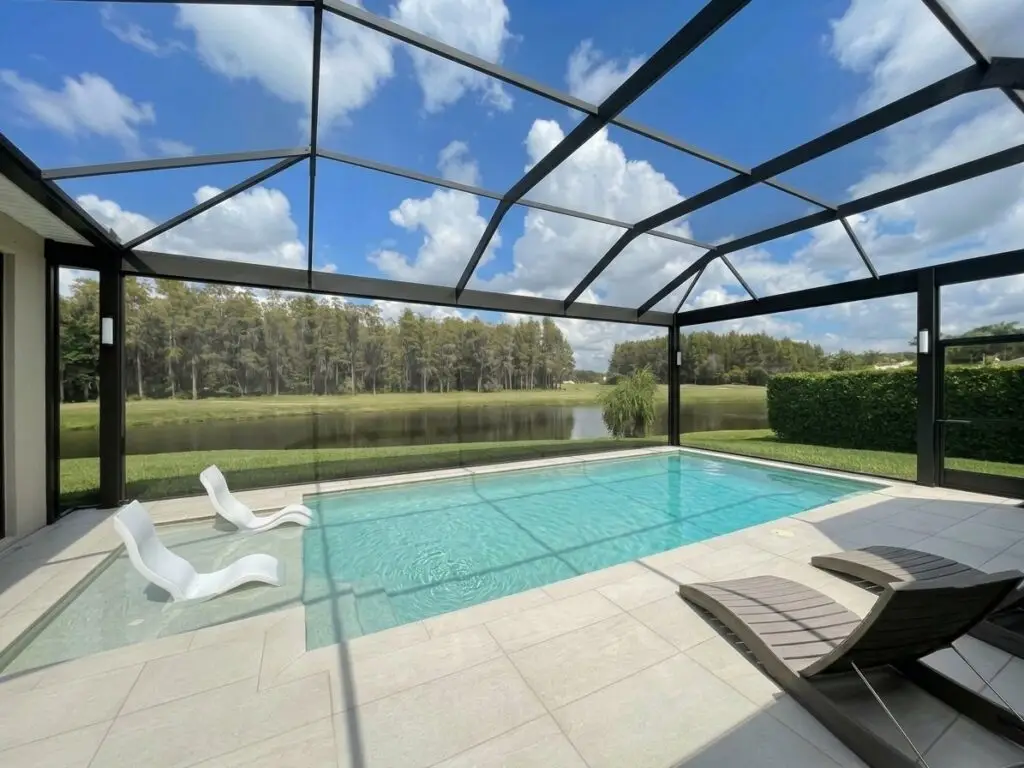
Work starts by removing the screen and horizontal support bars from the panels selected for conversion, usually those facing the lake, fairway, or preserve. The surrounding frame, posts, and beam are left in place and inspected for corrosion, loose fasteners, or stress cracks, which are more likely near coastal-influenced air in Estero given the humidity and salt content carried inland from the Gulf.
Any compromised framing is reinforced or replaced before new material goes in, since the panoramic panels rely on the vertical posts and top beam for strength once the horizontal bars are gone. Fasteners and hardware are matched to aluminum to avoid galvanic corrosion, a common cause of failure in older Lee County cages.
New panoramic screen sections are then fitted and secured along the open panels, with spline and screen tensioned to the frame the same way as a standard rescreen. The remaining panels keep their original bars for structural support, so the finished cage reads as one continuous enclosure rather than a mix of two styles.
- Remove screen and horizontal bars from view-side panels only
- Inspect posts, beam, and fasteners for corrosion or stress
- Reinforce or replace any compromised framing
- Install panoramic panels with corrosion-resistant hardware
- Tension and secure new screen to match the rest of the cage
Scheduling, Access, and HOA Approval
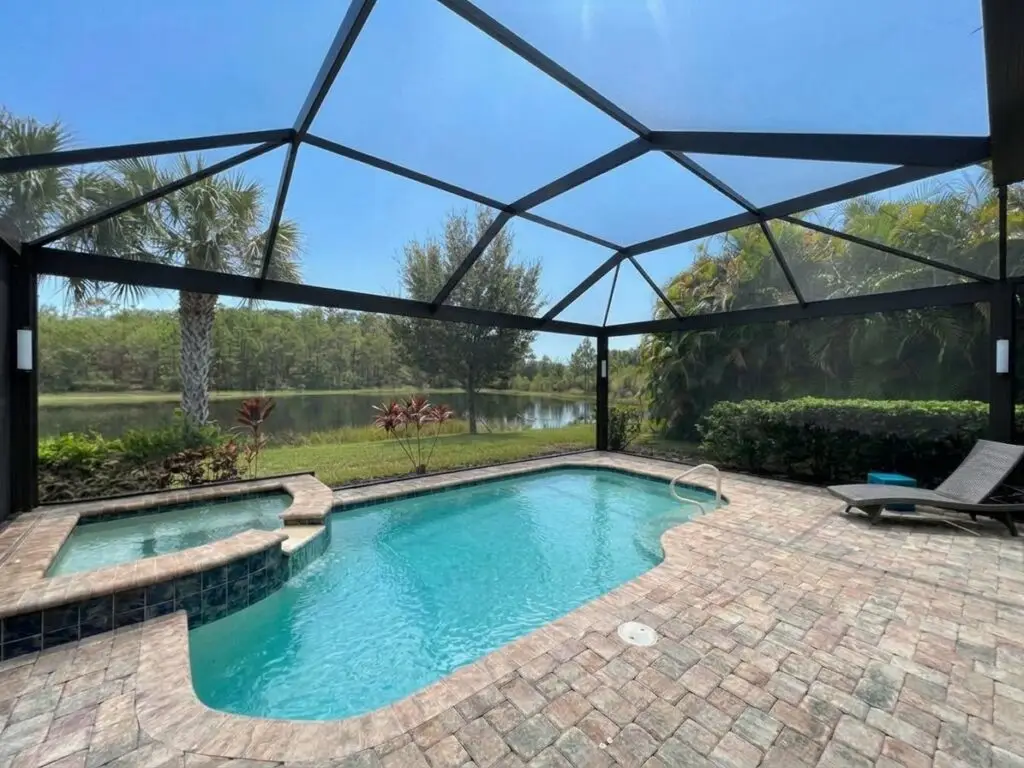
Most panoramic conversions in Estero take between two and four days, depending on how many panels are being converted and whether any frame sections need reinforcement. Pool and yard access is typically maintained throughout the project, though the work area directly around the cage will have ladders, tools, and panel sections staged nearby.
Summer thunderstorms are routine in this part of Lee County, and work scheduled between June and September sometimes shifts by a day due to rain. We build that possibility into the timeline rather than treating it as a surprise, and we communicate any adjustment as soon as the forecast makes it clear.
Communities such as Grandezza, Marsh Landing, and other deed-restricted neighborhoods in Estero generally require architectural review approval before a screen conversion begins, since altering the panel structure changes the cage’s appearance. We can provide spec sheets and photos needed for that submission, but homeowners should confirm their community’s specific process and expected review timeline before work is scheduled.
Avoiding Common Conversion Mistakes
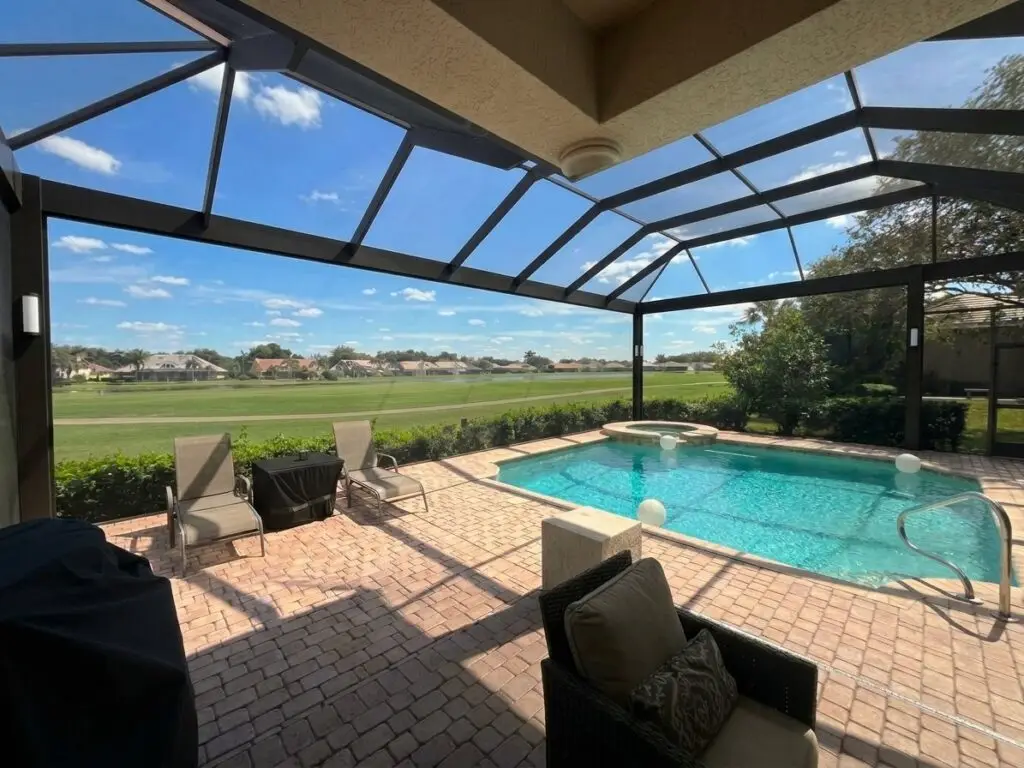
A panoramic conversion removes the horizontal bars that give a standard cage panel much of its rigidity, so the vertical framing has to be evaluated and sometimes reinforced to carry that load correctly. Skipping this step is the most common reason converted panels develop sag or a visible bow within a year or two, particularly on taller panels facing open water or canal frontage.
Spacing and fastener placement also matter more than they appear to. Screw patterns that worked for a horizontally braced panel are not automatically correct once that bracing is gone, and reused hardware or mismatched gauge screening can loosen faster in salt air common near the Estero Bay side of Lee County.
We match the conversion to the cage’s existing frame design, model, and age rather than applying a generic approach, since cages installed in different decades were built to different structural standards.
- Verify vertical frame gauge before removing horizontal supports
- Reinforce panel corners where bracing load has shifted
- Use fasteners rated for the panel size and local wind exposure
- Confirm screen gauge matches the intended clarity and durability goals
Process and Timeline
- Schedule a free written estimate and walk the cage to identify which panels are candidates for conversion.
- Submit any required documentation to the HOA or community architectural review board and wait for approval.
- Remove the screen and horizontal bars from the selected panels and inspect the vertical framing.
- Reinforce frame sections as needed and install the new panoramic screening.
- Clean up the work area and walk the finished cage with the homeowner before closing out the project.
Most panoramic conversions in Estero are completed in two to four working days once HOA approval, if required, is in place.
Estero Panoramic Screen Conversion FAQ
Will a panoramic conversion work on my existing pool cage frame, or do I need a new structure?
In most cases the existing aluminum frame can be adapted, provided the footers, beams and support posts are structurally sound and sized to carry the clear-span panorama sections. We inspect the frame first and will tell you plainly if reinforcement or partial rebuild is needed before quoting the conversion.
Does my HOA in Estero need to approve a panoramic screen conversion before work starts?
Most Estero communities, including gated and deed-restricted neighborhoods, require an architectural review submission before any change to screen pattern or frame appearance. We can provide spec sheets and photos for your HOA packet, but the homeowner is responsible for getting approval before we schedule the work.
How long does a panoramic screen conversion take from start to finish?
A typical panoramic conversion on a residential lanai takes two to five days, depending on cage size, the amount of framing modification needed, and weather delays common to Southwest Florida's wet season.
Can I still use my pool and lanai while the conversion is underway?
The pool itself usually stays usable, but the lanai area will be partially blocked off while panels are removed and new framing is set. We section off work zones so the rest of the enclosure stays protected from debris during the job.
Does panoramic screen hold up to Estero's summer storms and salt air the same as standard screen?
Panoramic panels use the same marine-grade aluminum framing and corrosion-resistant fasteners we use on standard rescreening, so they handle Gulf humidity and wind-driven rain comparably well. The clear-view panel sections themselves are a different material than screen mesh and need their own cleaning routine to stay clear in salt air conditions.
What is the difference between panoramic screen and clear vinyl panels for my pool cage?
Panoramic conversion replaces a run of your screen wall with larger, unobstructed clear panels set in slim aluminum framing to open up a view, while clear vinyl panels are typically removable or seasonal inserts added over existing screen for added wind or debris protection. Panoramic is a permanent structural change to the cage; vinyl panels are more of an add-on.
More Pool Cage Services in Estero
Beyond panoramic conversions, we also handle the rescreening, painting and full restoration work that keeps an existing pool cage sound. Pool Cage Rescreening, Pool Cage Painting and Pool Cage Restoration.
Nearby Areas We Also Serve
Crews working on panoramic conversions in Estero also take on projects throughout the surrounding Lee County communities. Fort Myers, Cape Coral, Bonita Springs, Naples, Port Charlotte and Punta Gorda.
Statewide details, colors and the full process are on our main panoramic screen conversion page.
Recent Work
Request an Estero Estimate
Send a few photos of your current pool cage along with the property address in Estero, and we will follow up with a written estimate for the panoramic conversion. There is no cost or obligation to request one.
Last reviewed: October 28, 2026